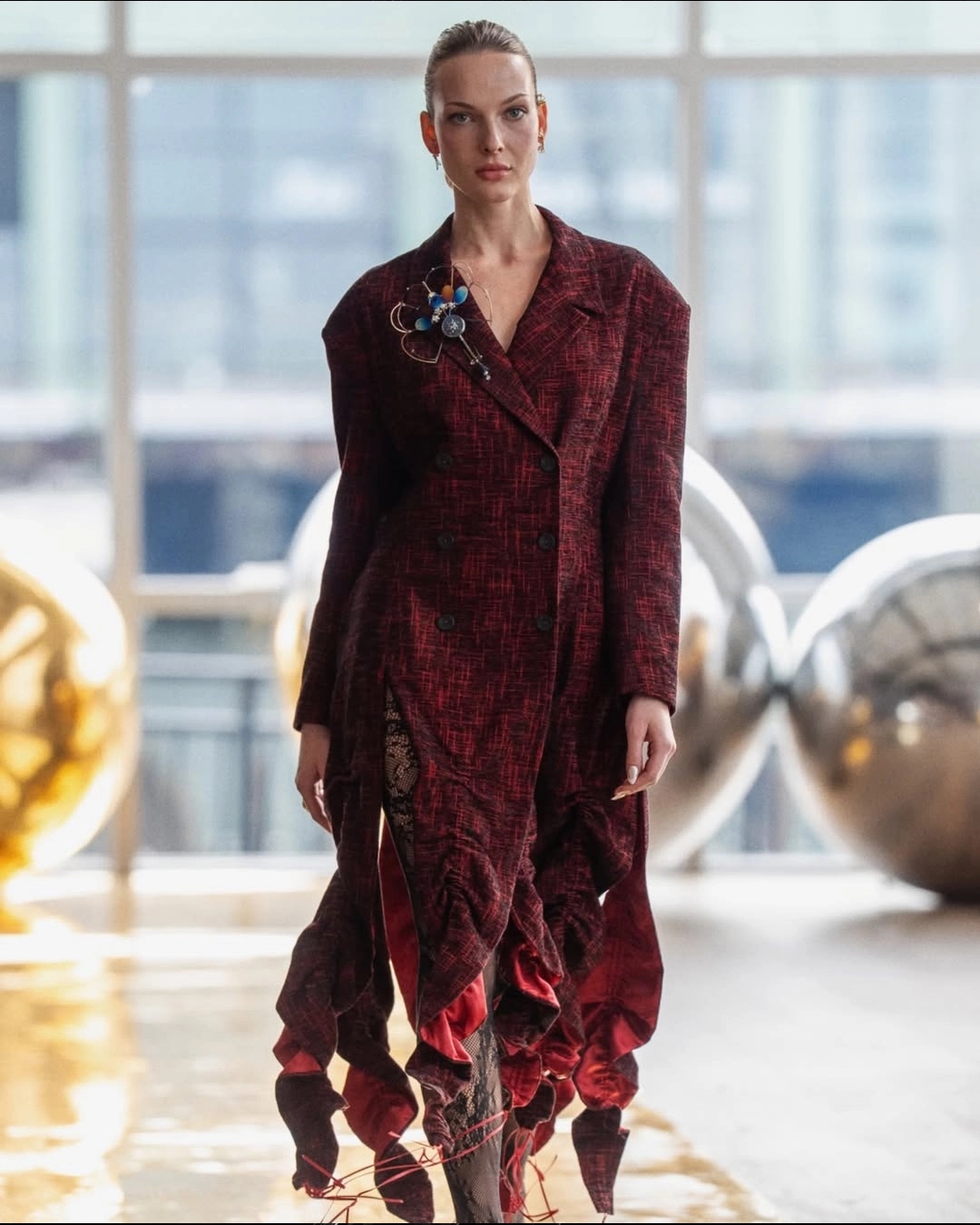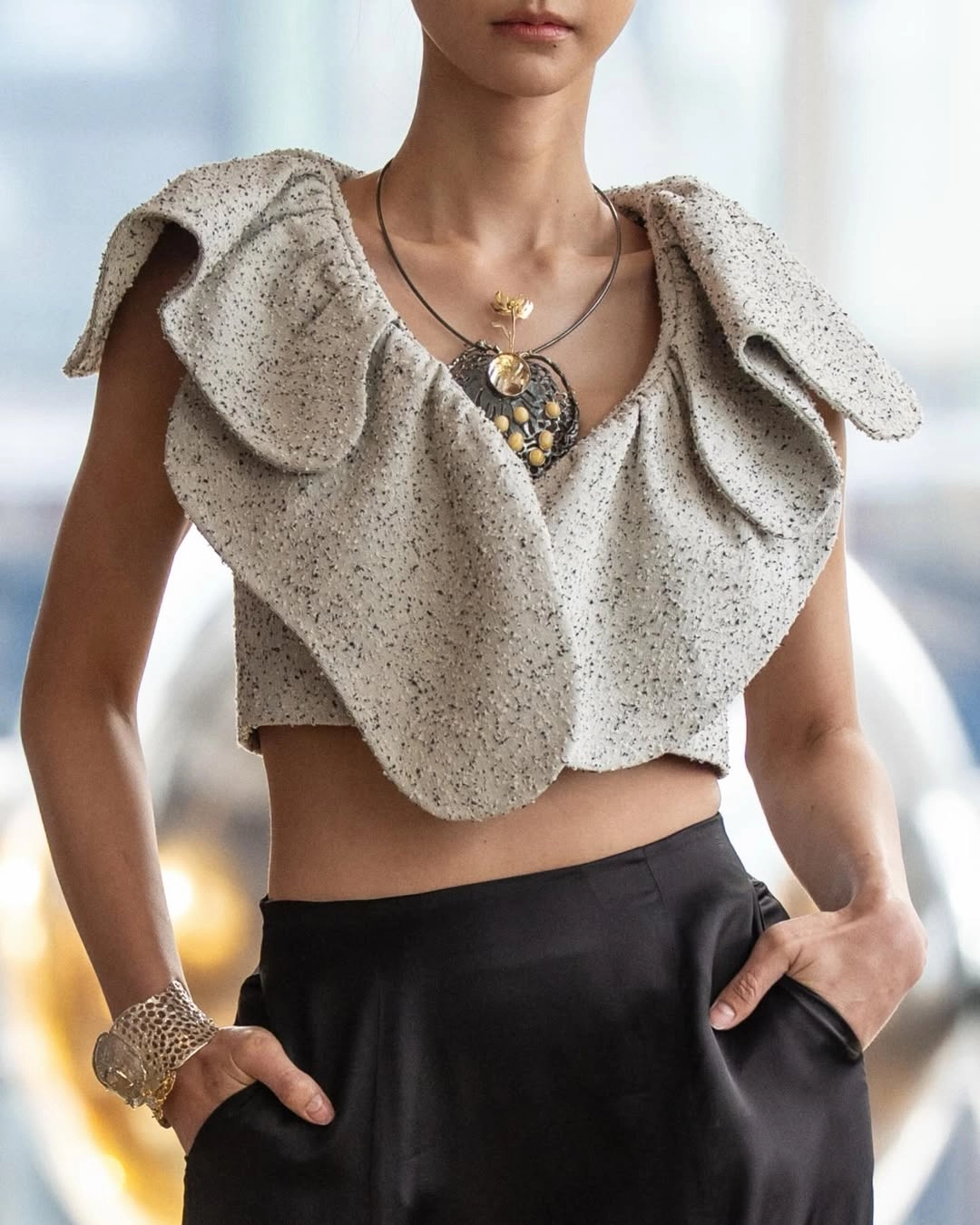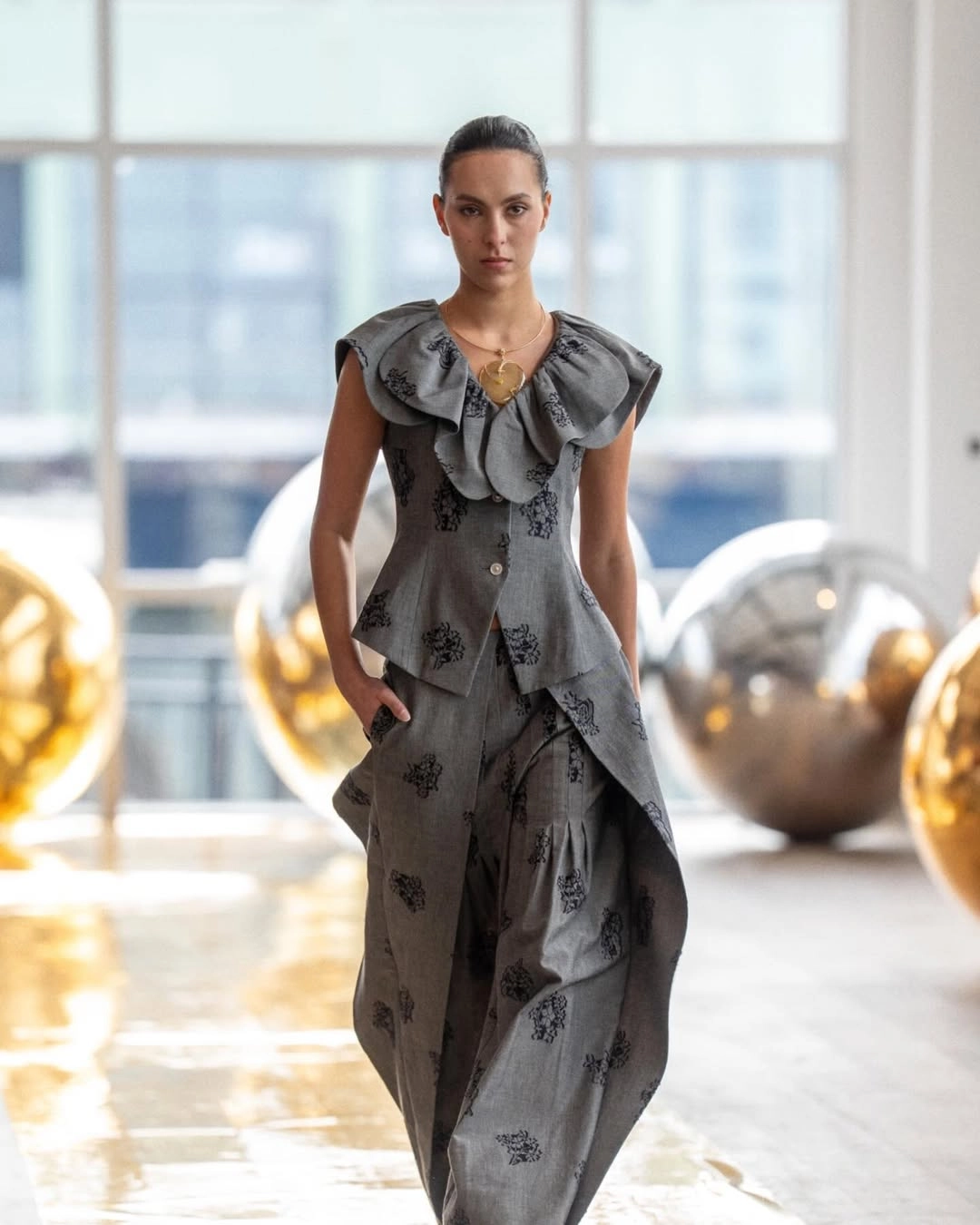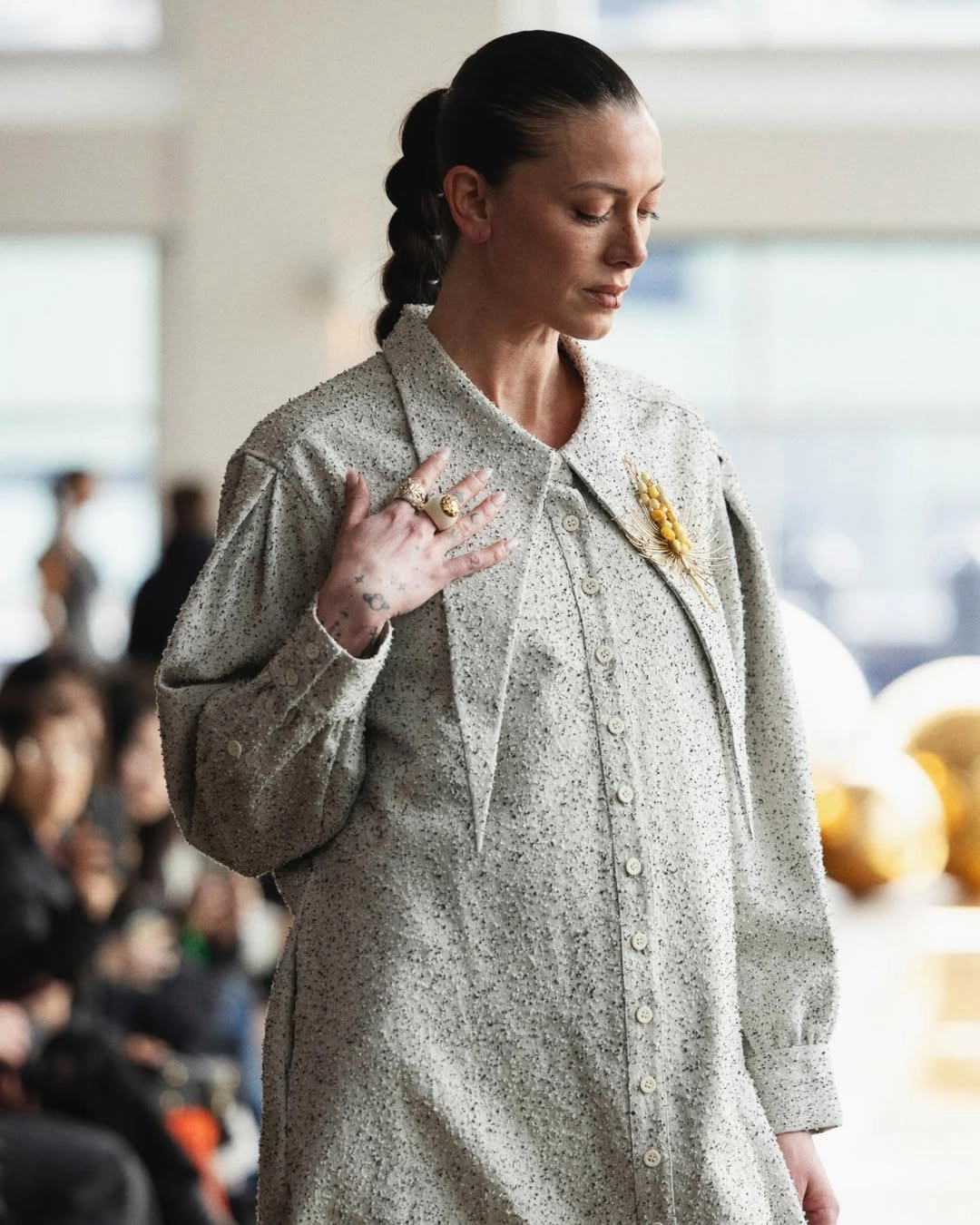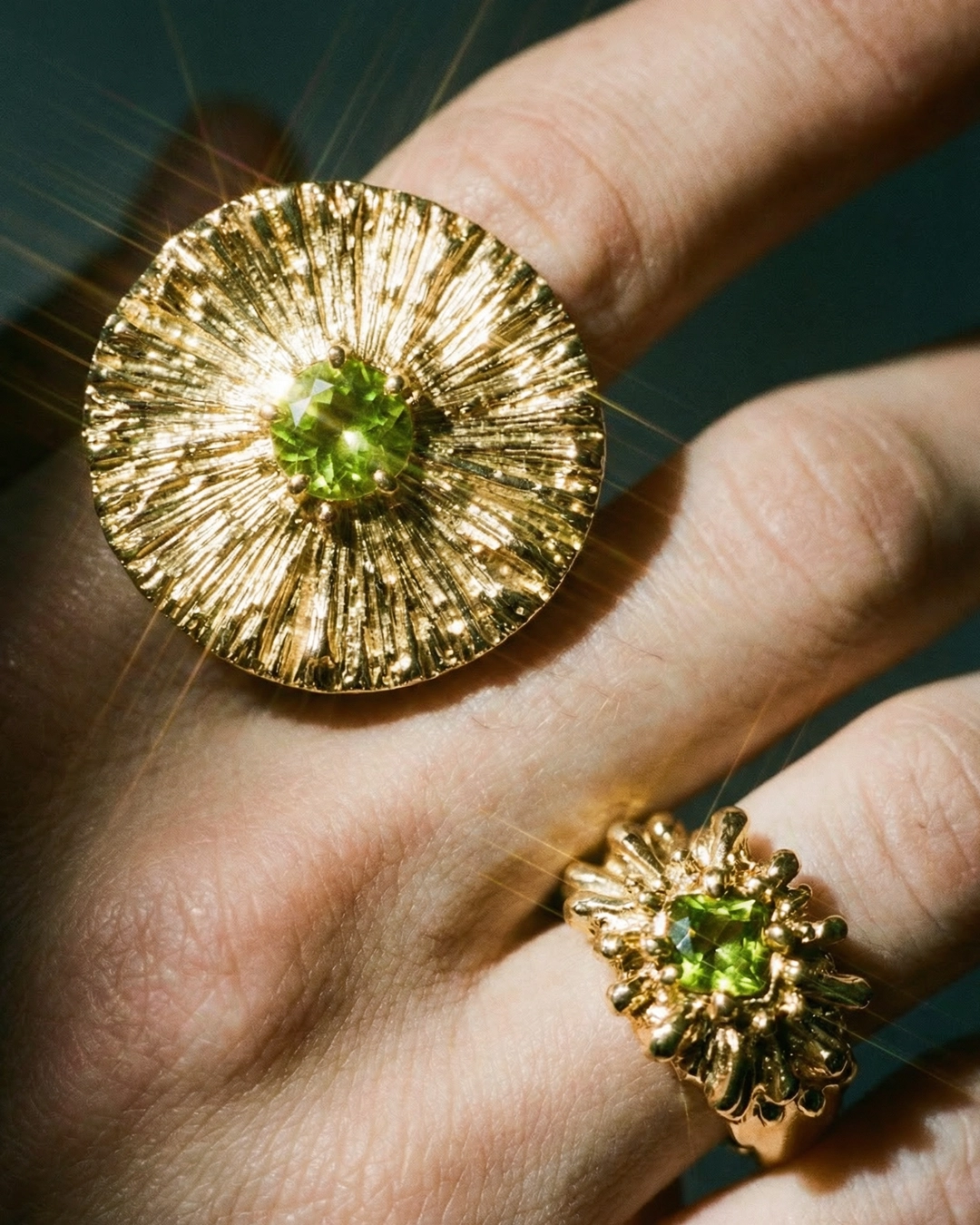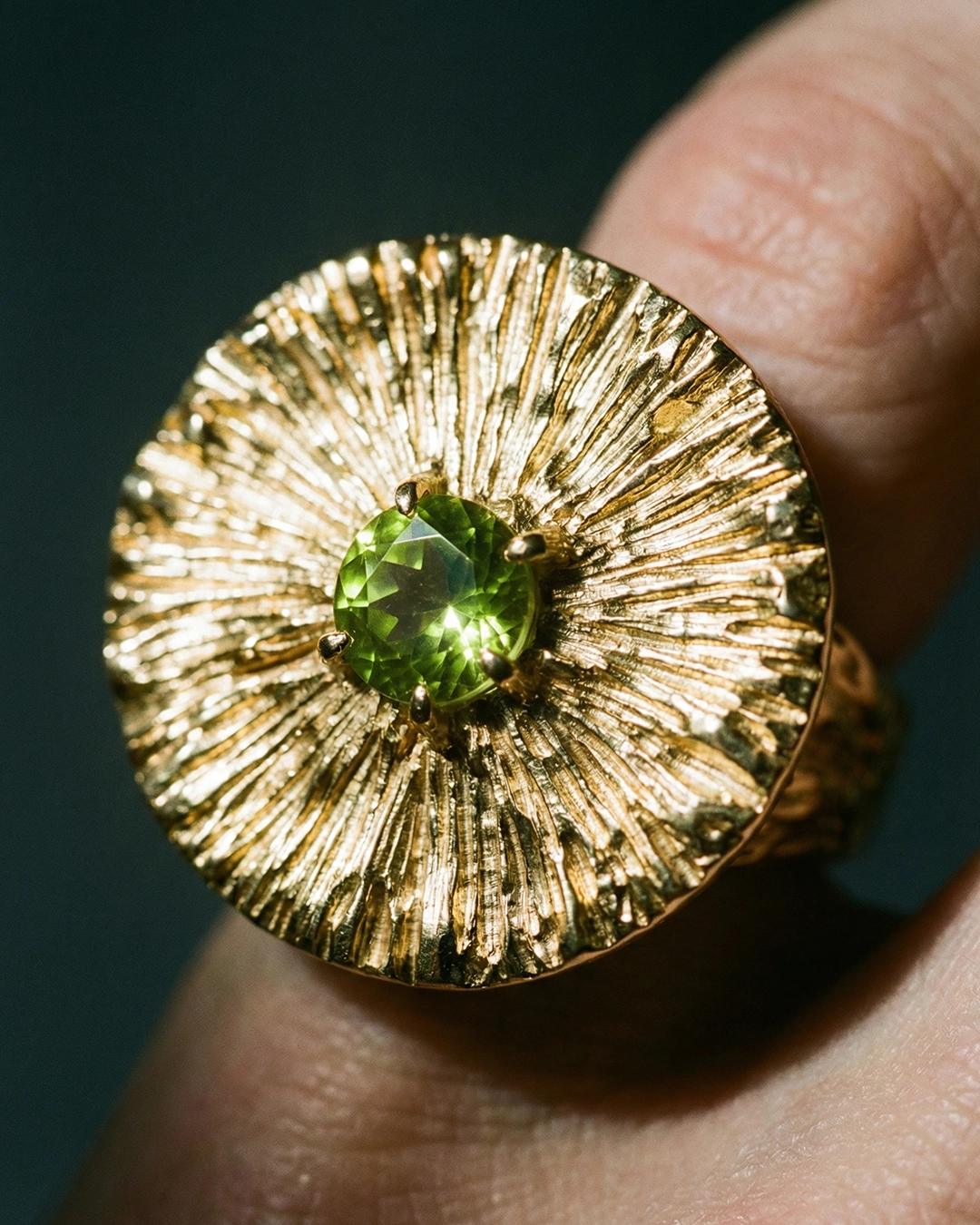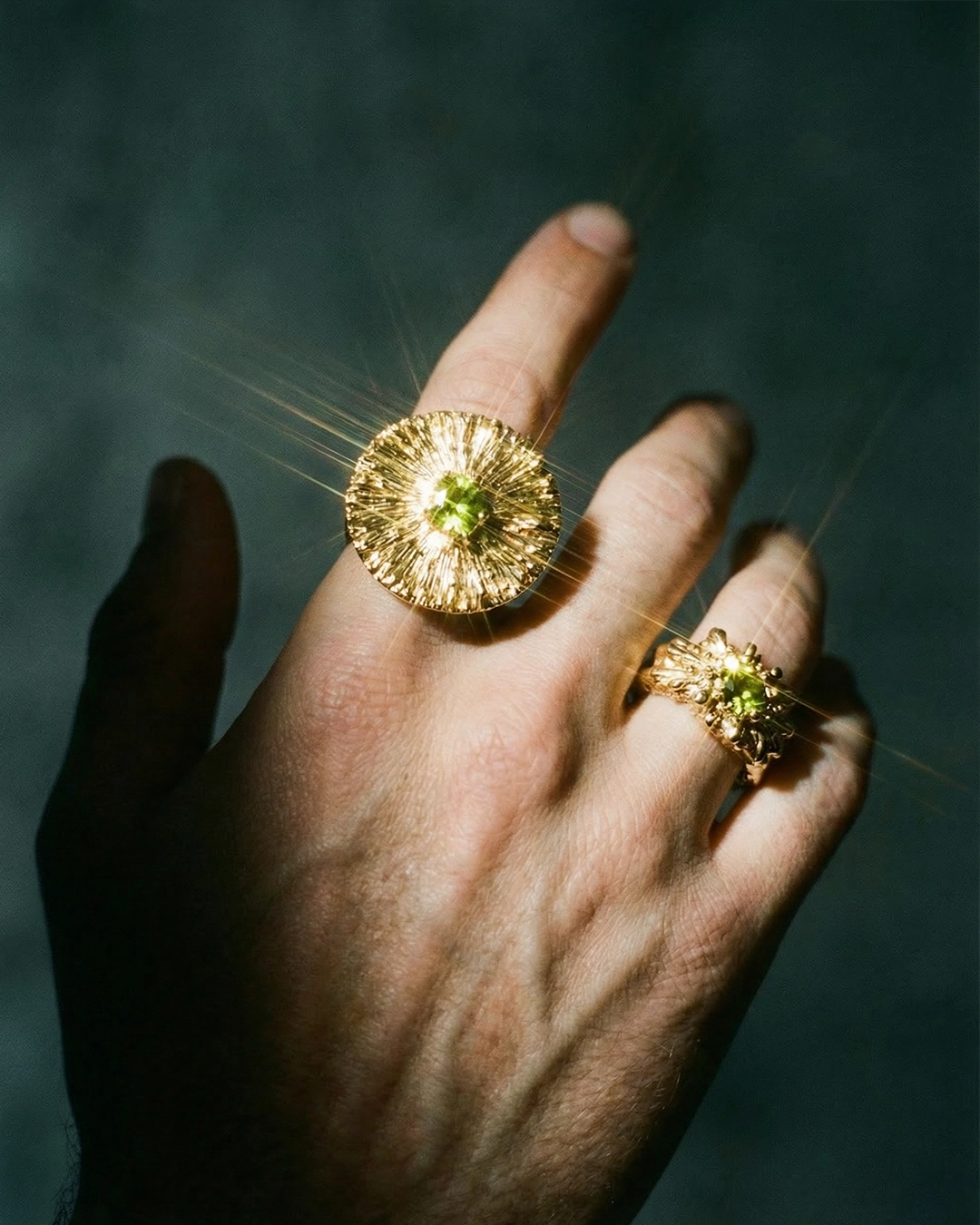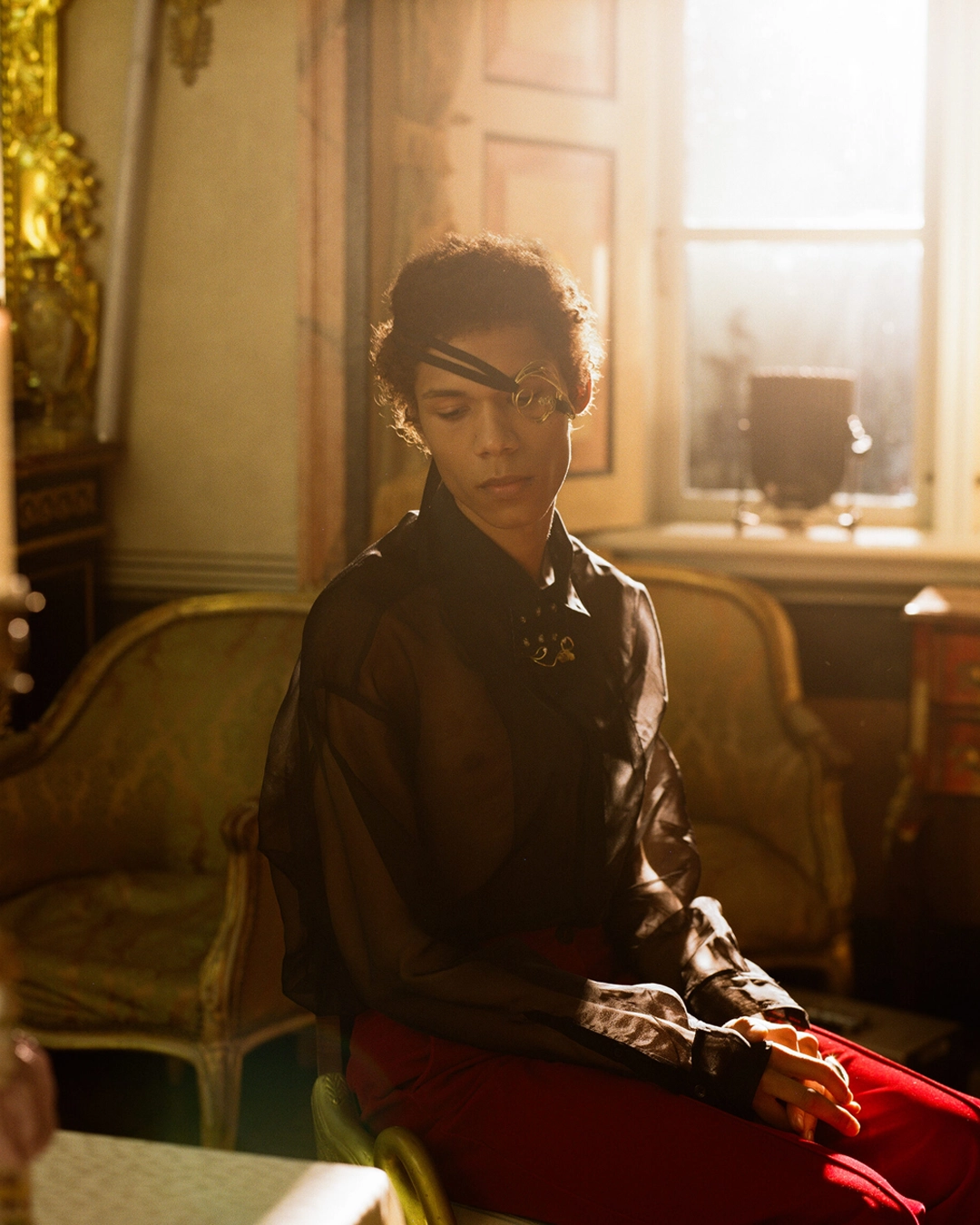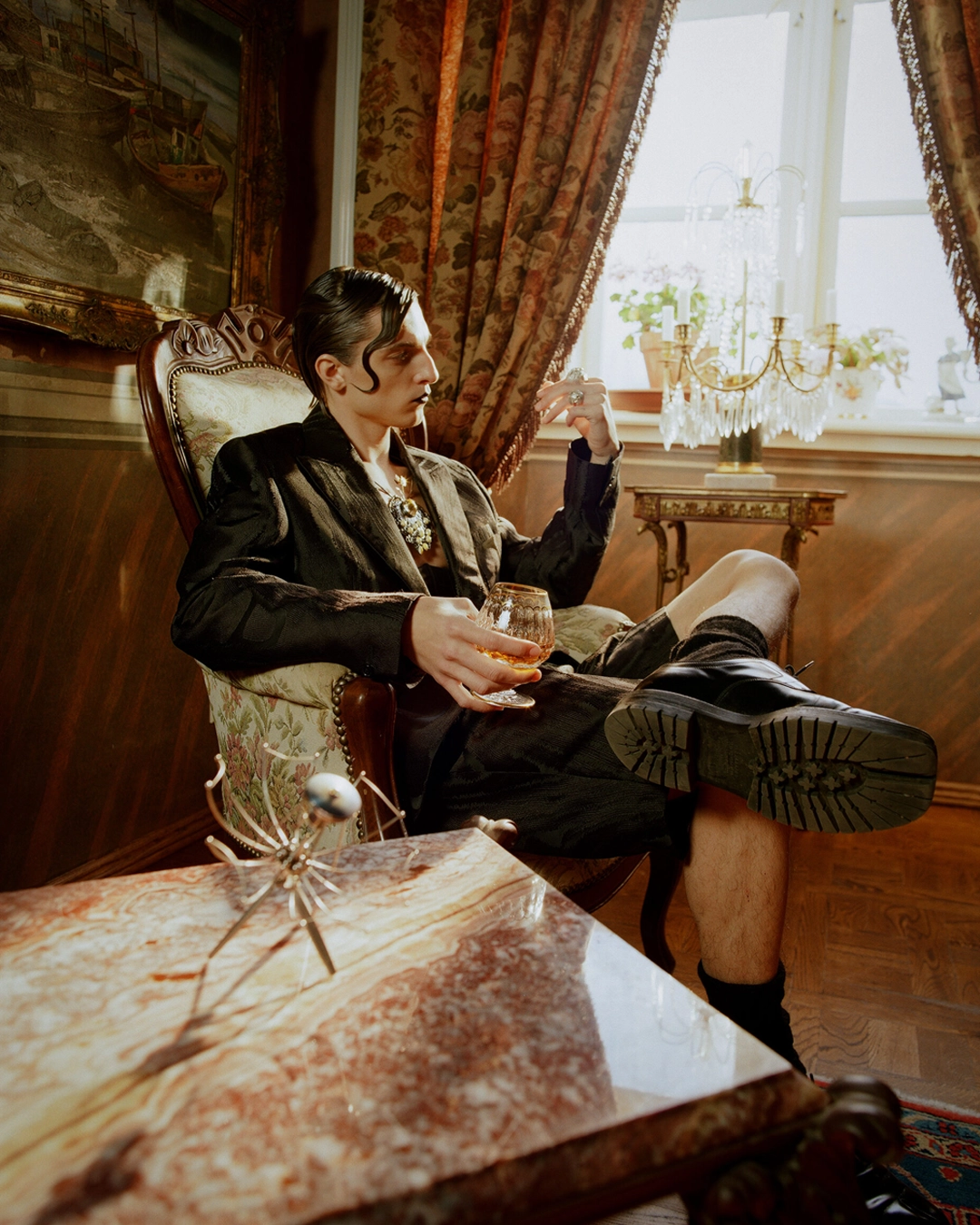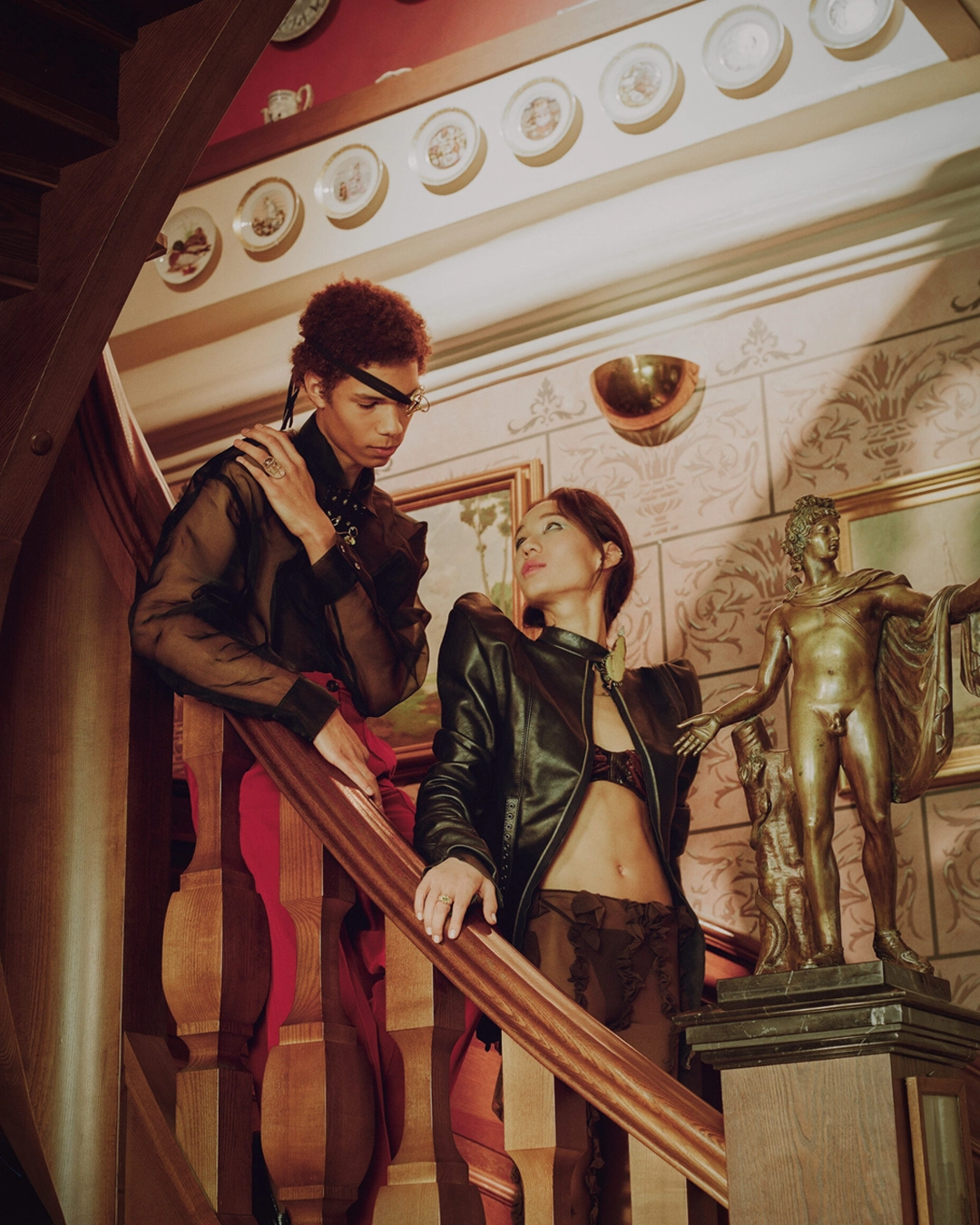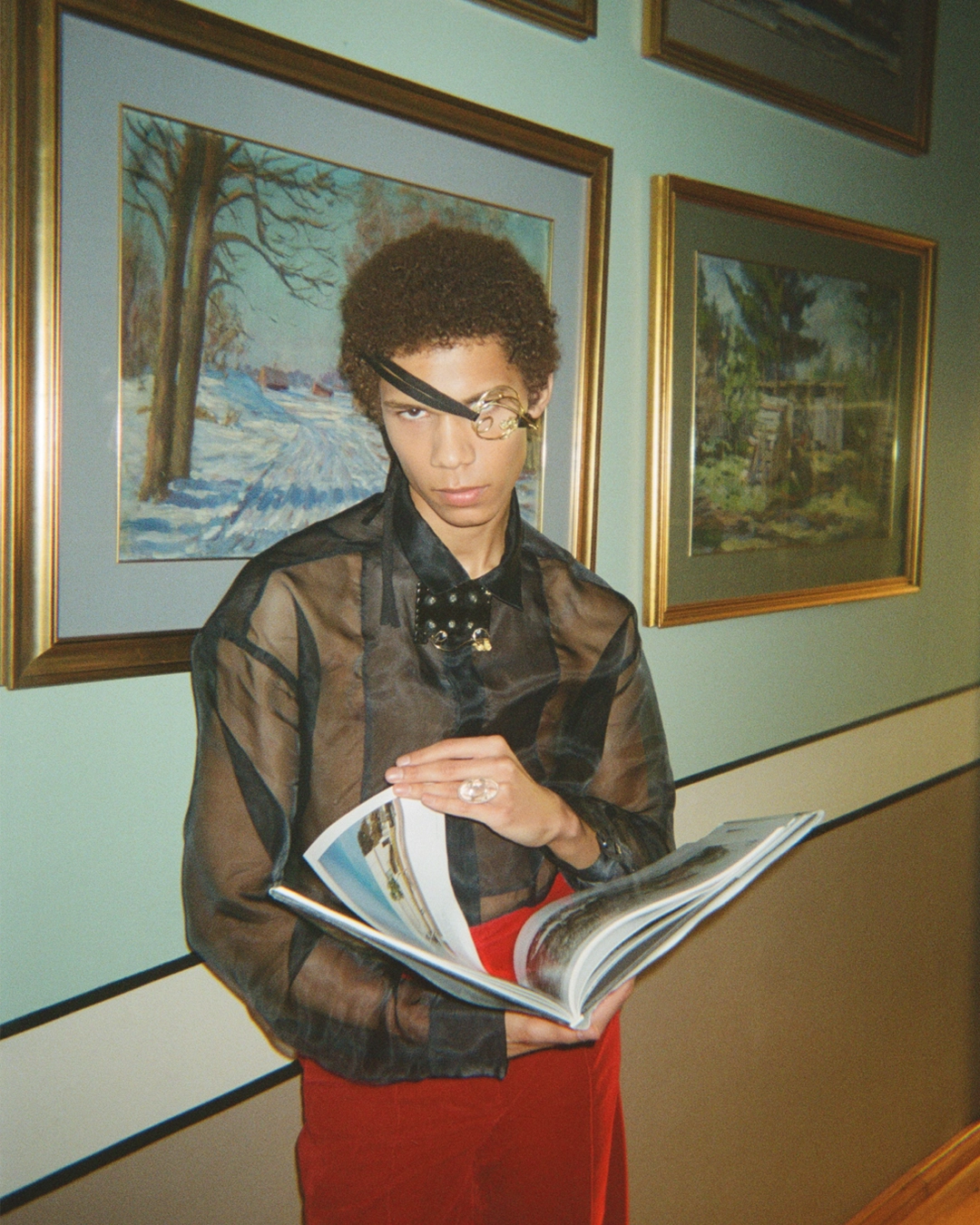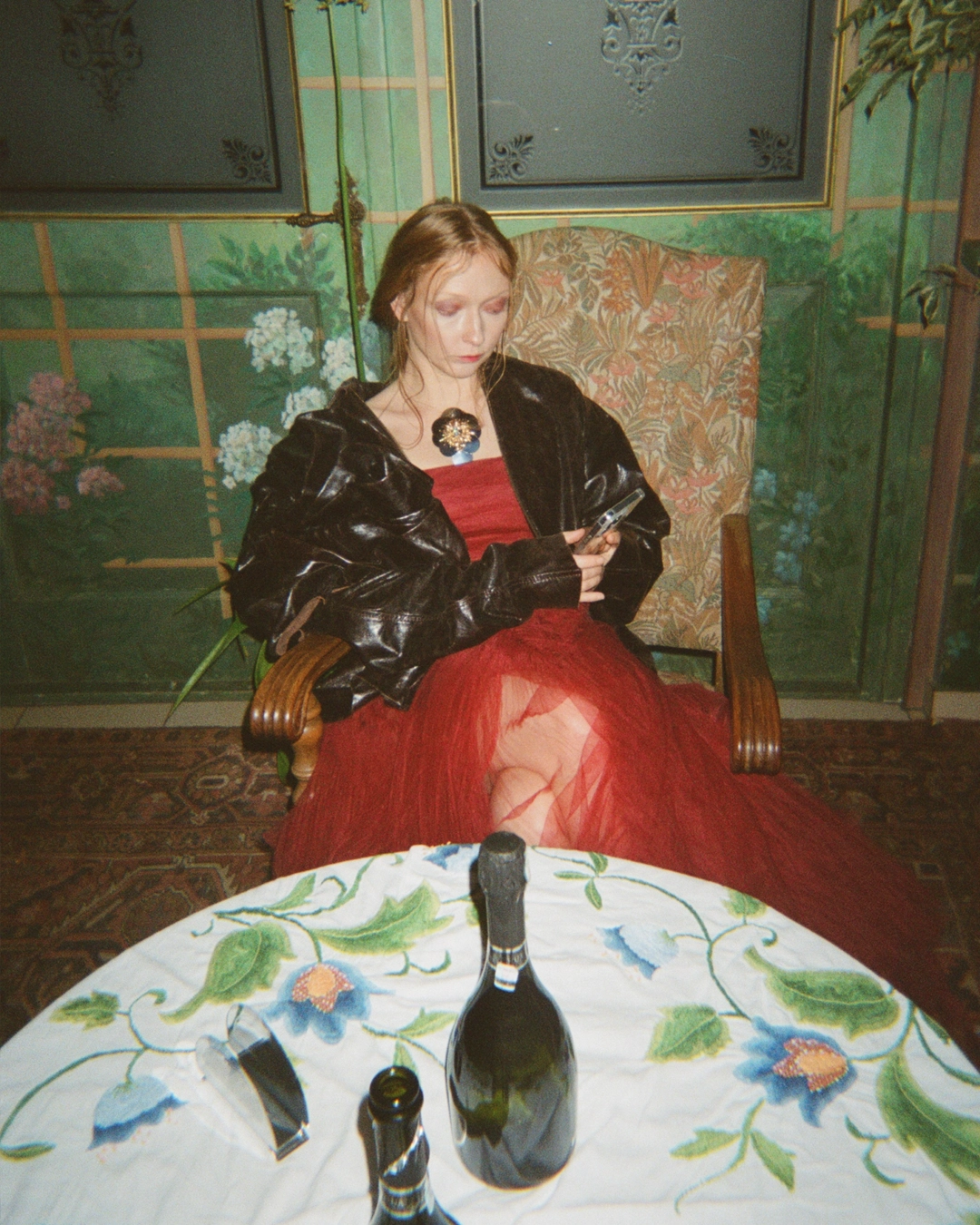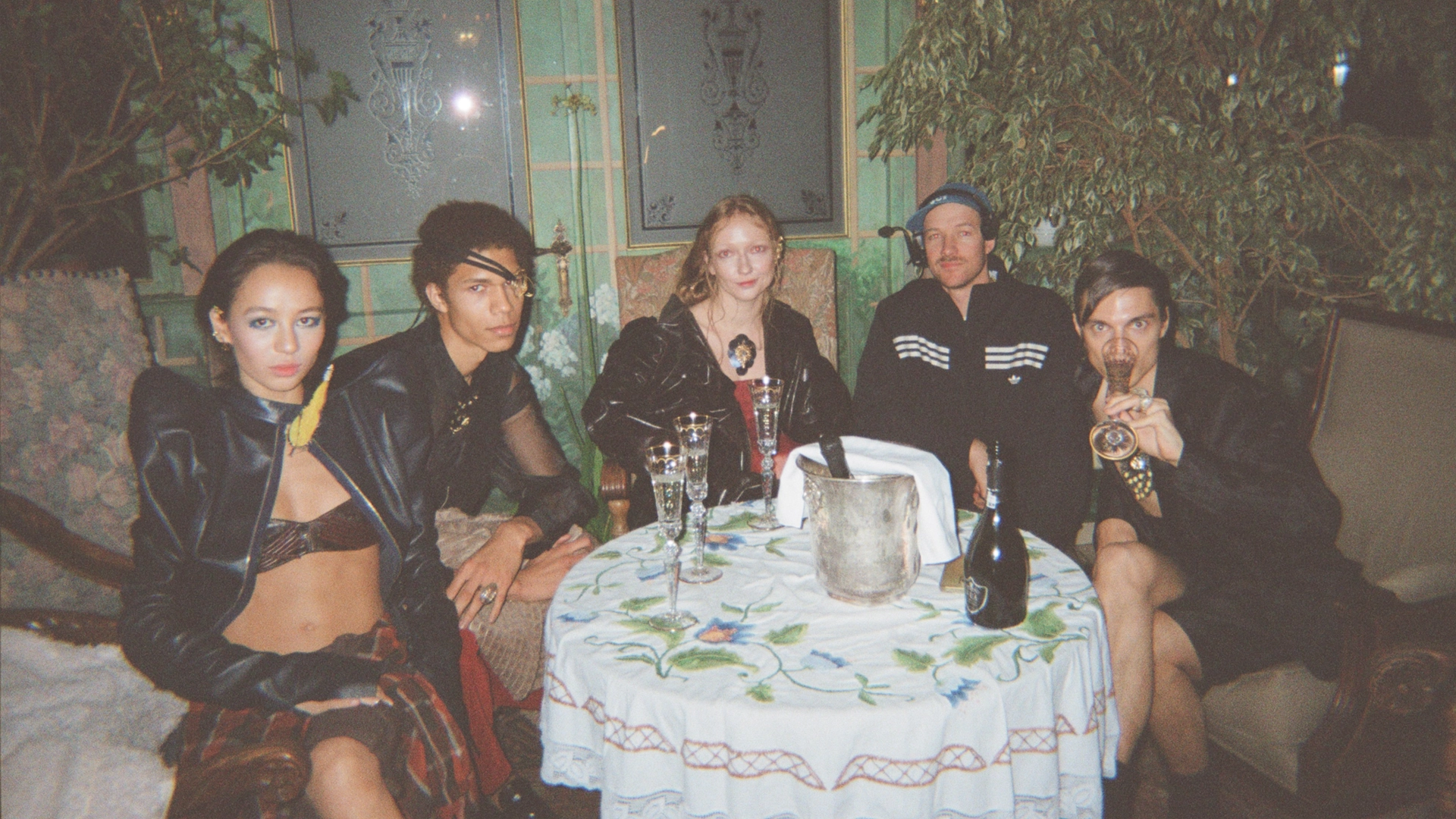
Baltic amber fossilised over millions of years. EcoDiamond® grows diamonds in a laboratory. Óde uses both – and the connection between them is not metaphor. It is chemistry.
Most fine jewelry brands commission artists. Óde does something different. Here is the structure behind every season – and why the distinction matters.
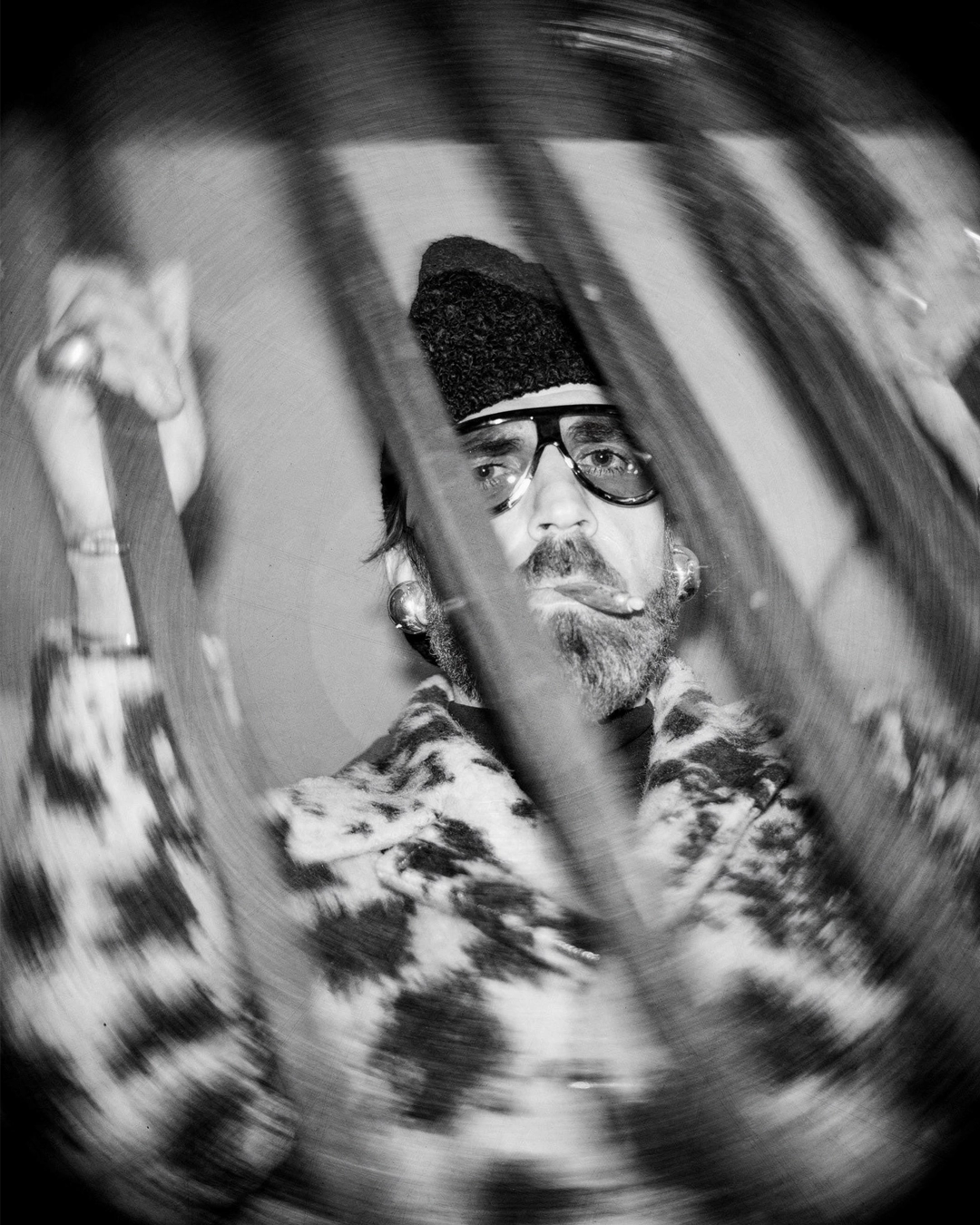
Grishigiano is a sculptor. His hands work in volume and weight – the same language Óde has spoken since the beginning. When we found each other, the conversation was already halfway done.
This is what Óde is built for. Not endorsements. Not styling. Artist to artist finding the people whose instinct for material matches ours, and making something neither could make alone. Season II starts here.
3 February 2026. New York. Flying Solo Show. NYFW.
The noise of the week subsides. Only the permanent weight of the metal remains. We forced our architecture onto their grid.
We do not linger for the applause. This is the documentation of the aftermath. The operation is complete.
25 January 2026. New York. NYFW. Latvia to New York.
Flying Solo exists to put independent designers in front of magazine editors, influencers, photographers, and the industry’s decision makers. We applied. We were selected. We went.
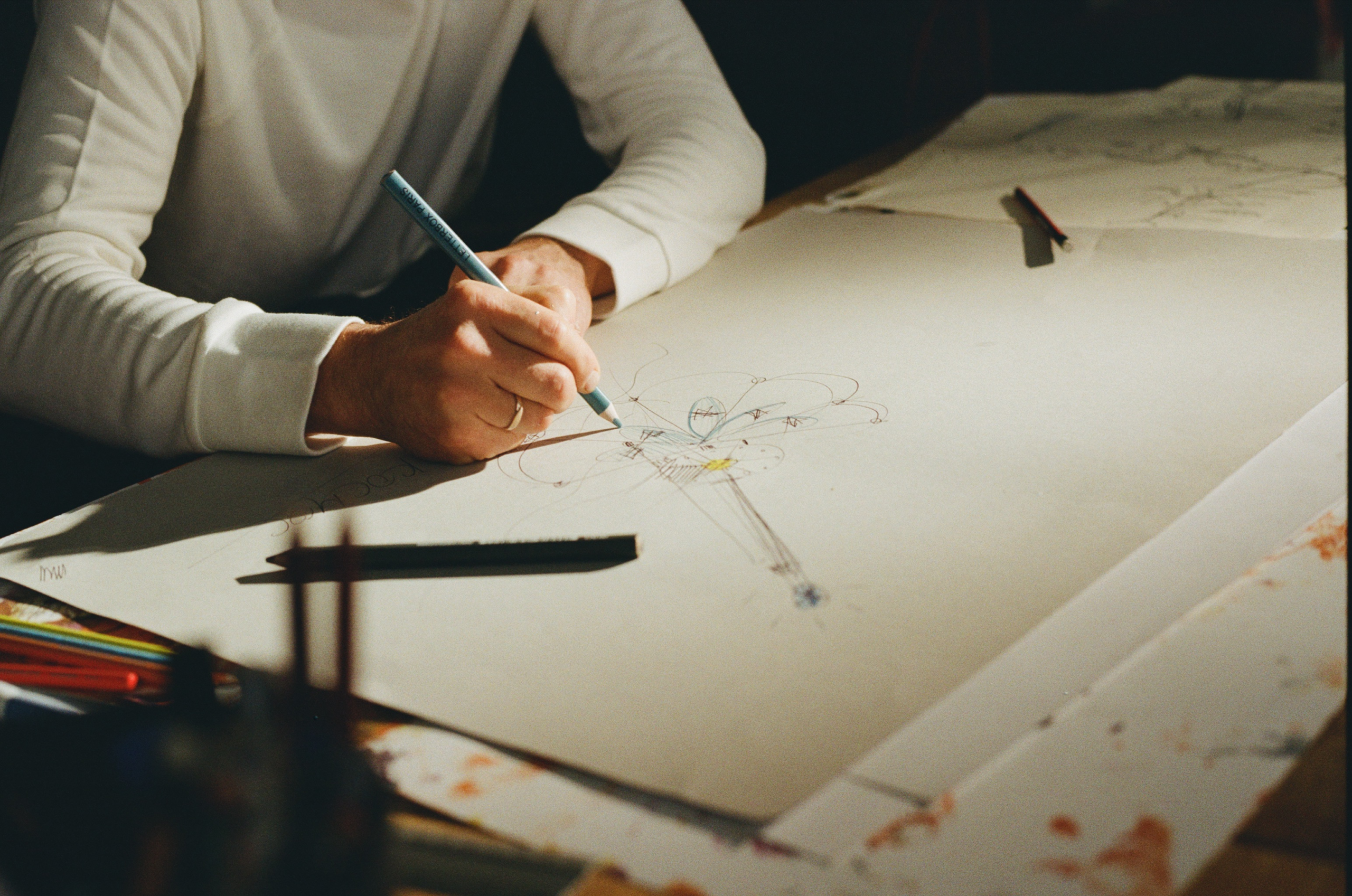
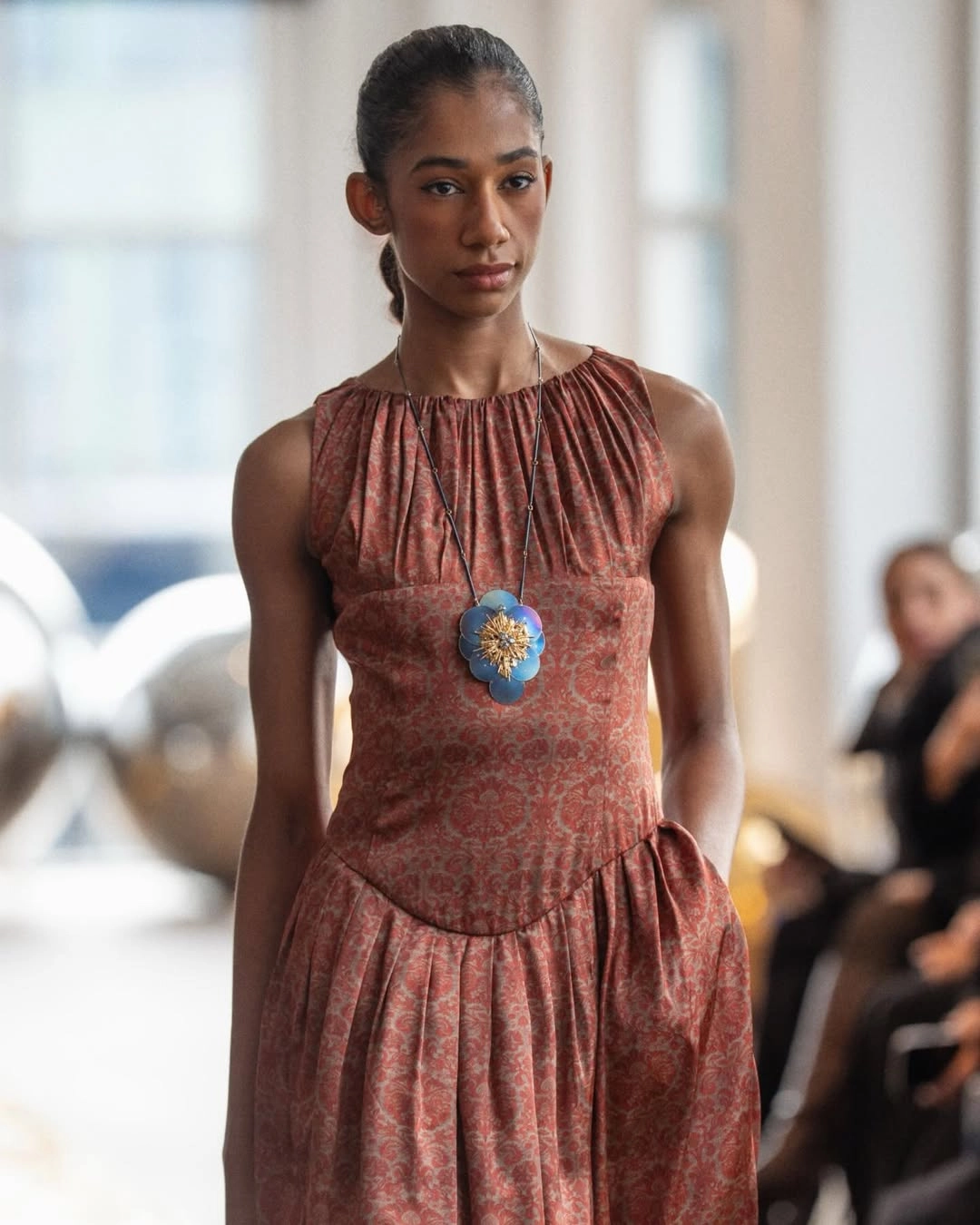
Óde on a runway in Manhattan. Pieces made in Riga, conceived between two artists in a studio, now moving under American lights. The Amber Road continued west.
14 November 2025. Riga.
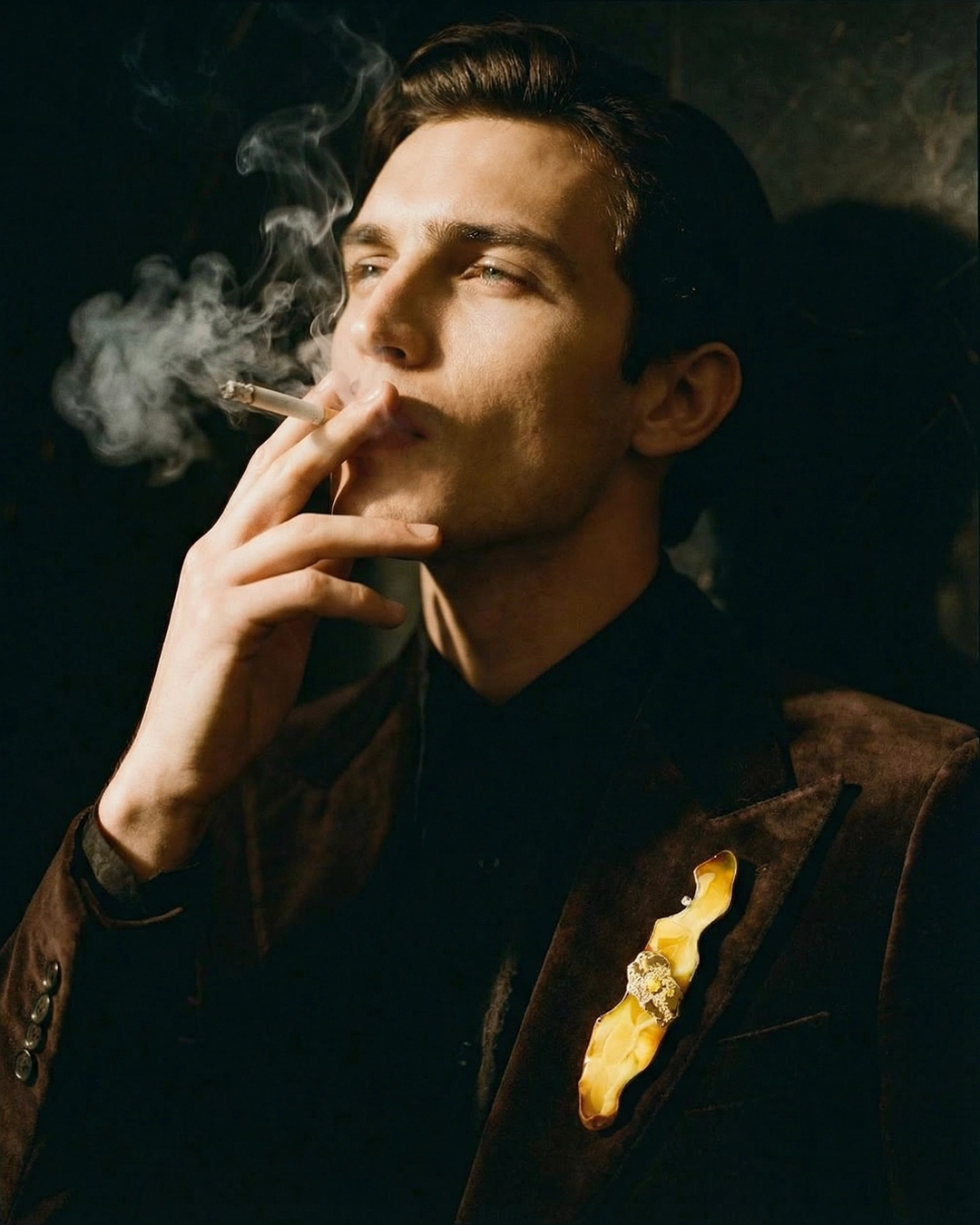
He doesn’t just style the piece. He lets it speak for itself.
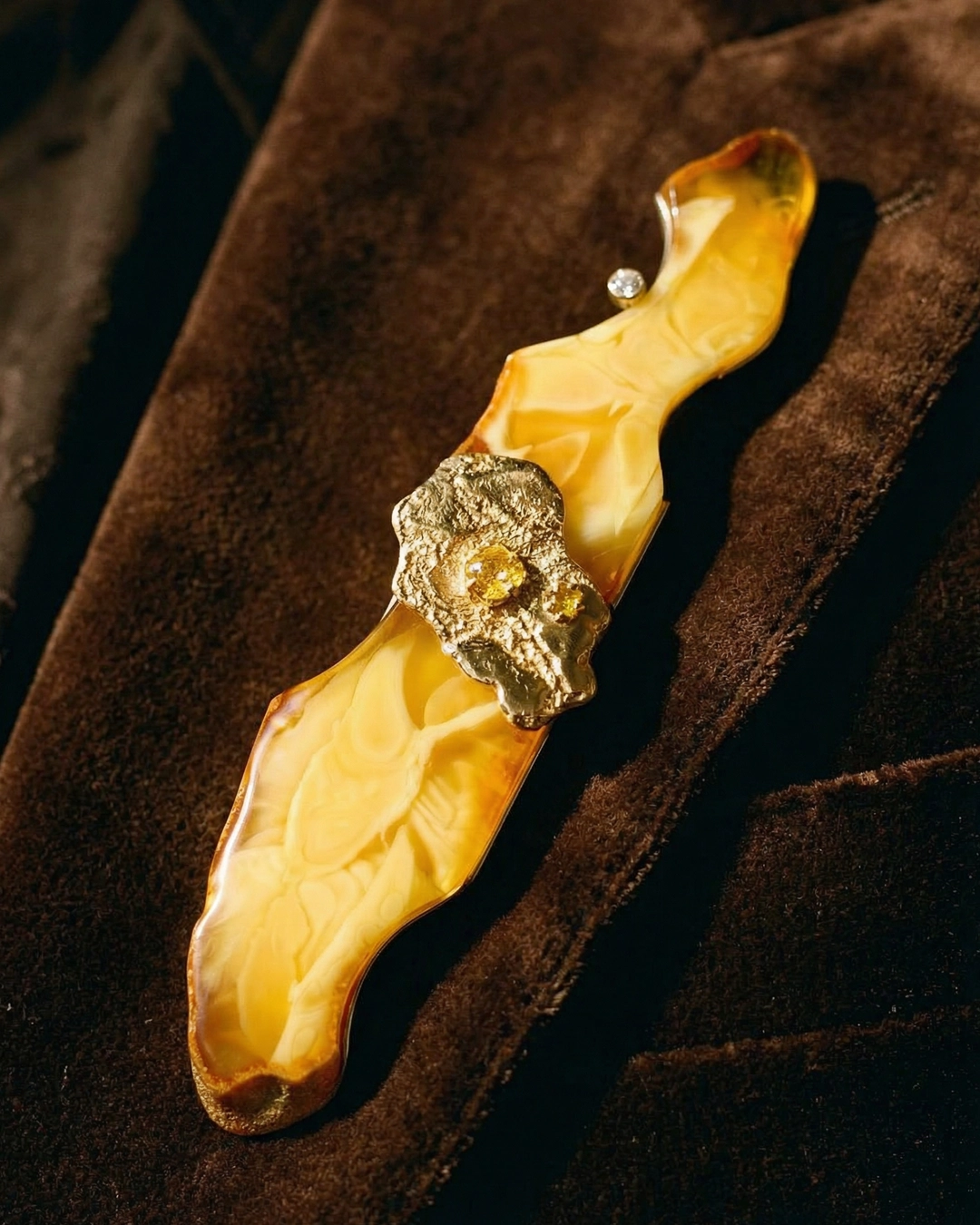
The Amber River brooch – capturing the fluidity of amber, shaped by gold and diamond elements.
21 October 2025. Riga.
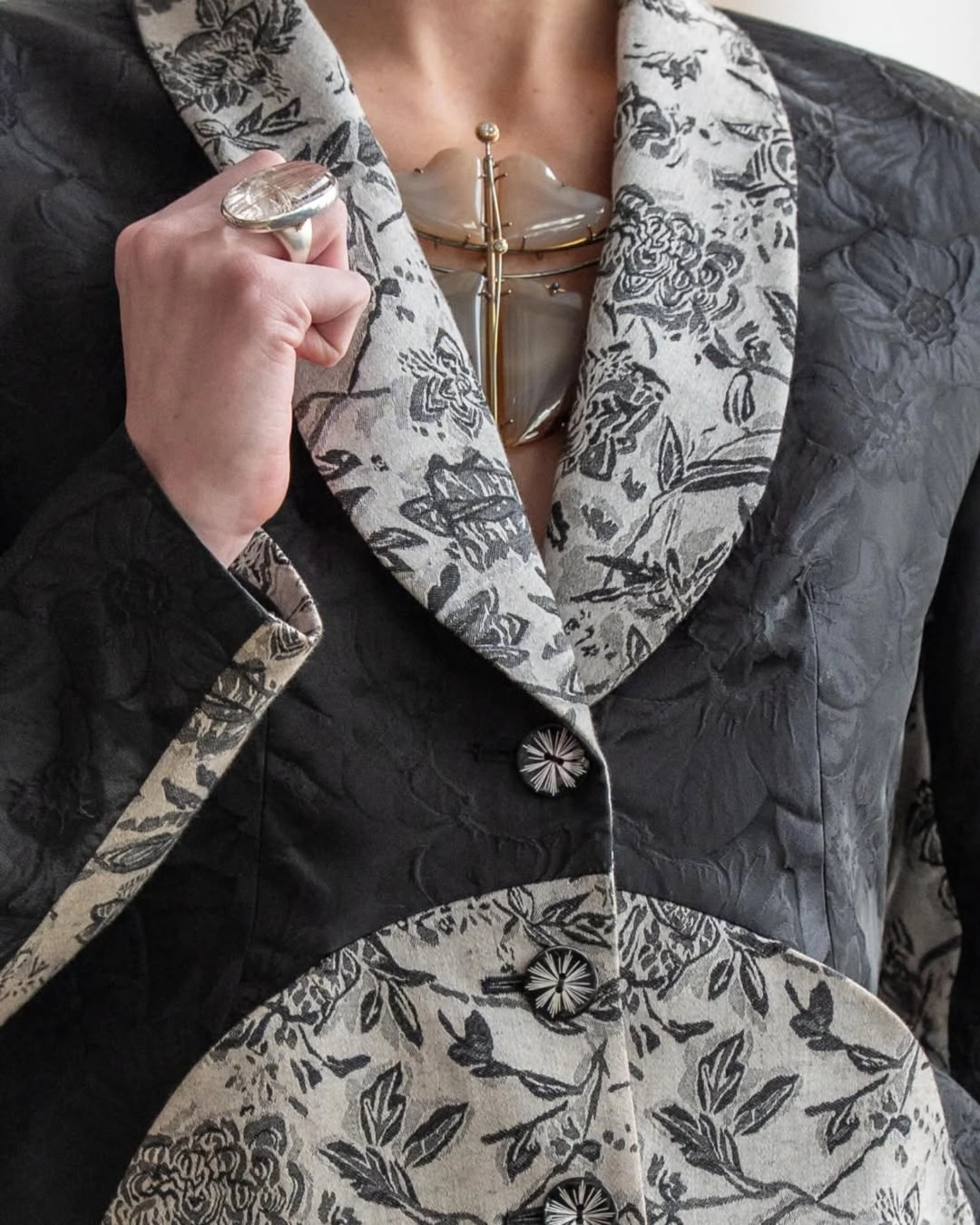
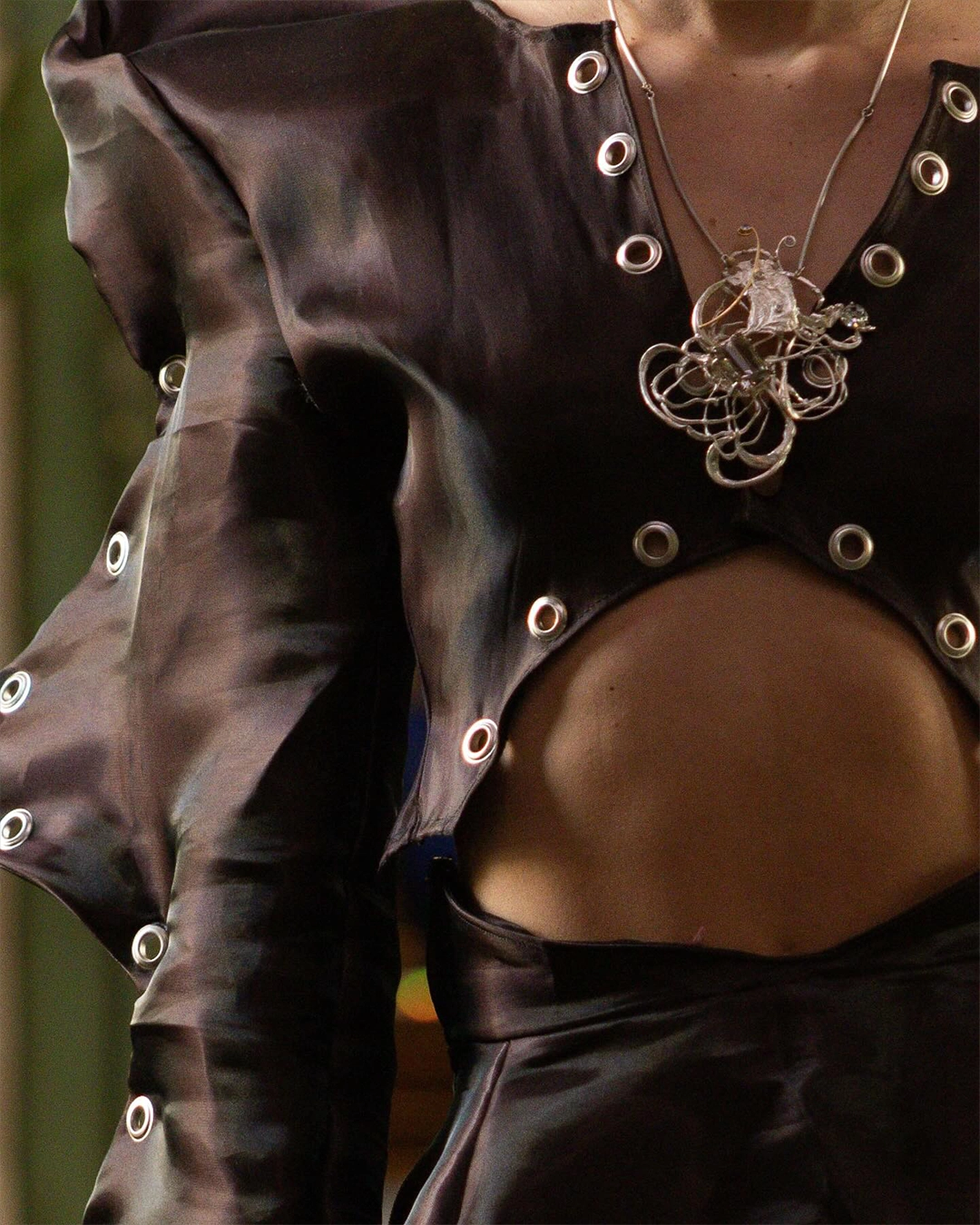
The heavy lifting precedes the silence. Tension in the lapel. The sheer gravity of the garments. Isolation in the spotlight.
We do not explain the process. The architecture speaks for itself.
5 October 2025. London.
London doesn’t care what you’re wearing. That’s the point.
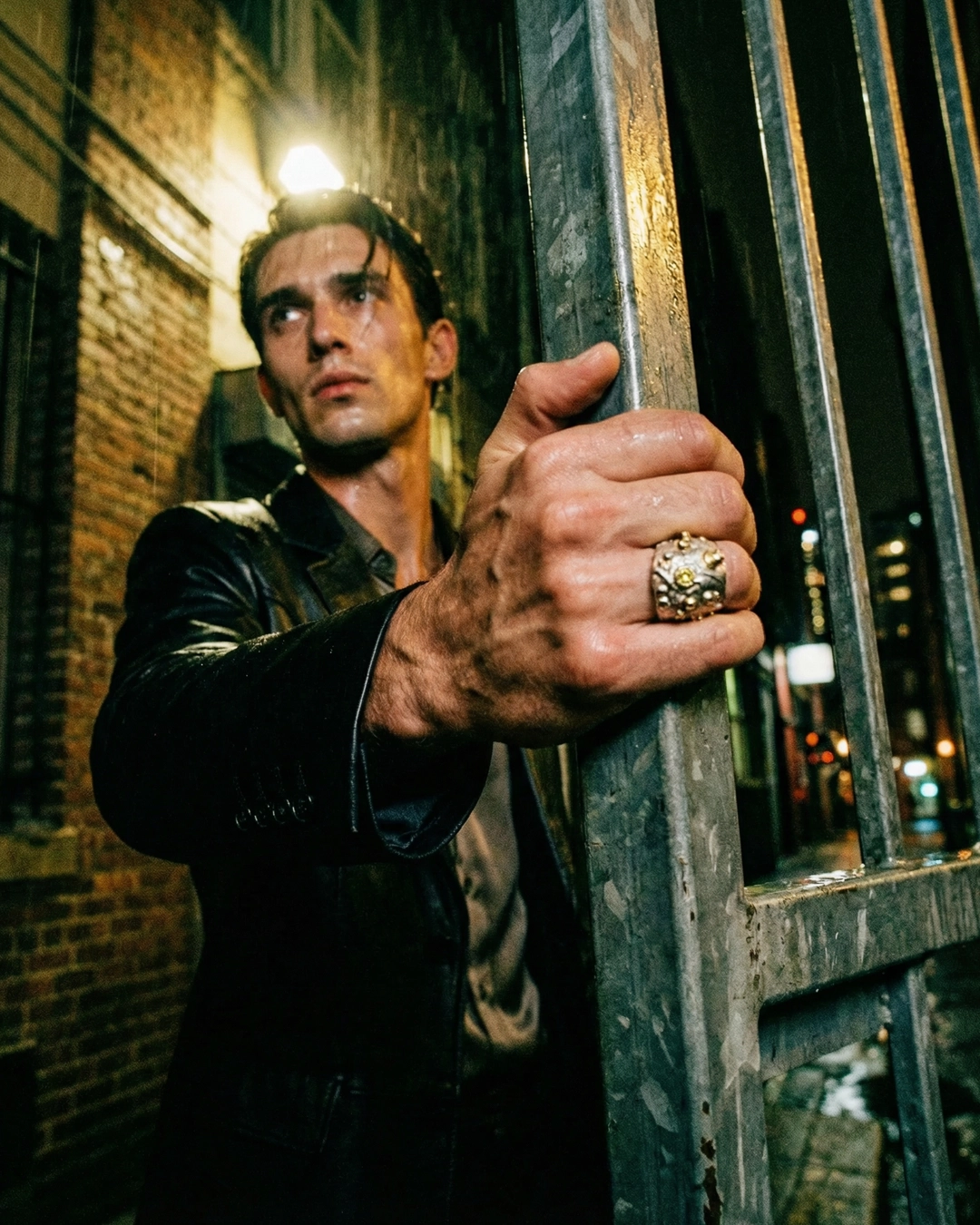
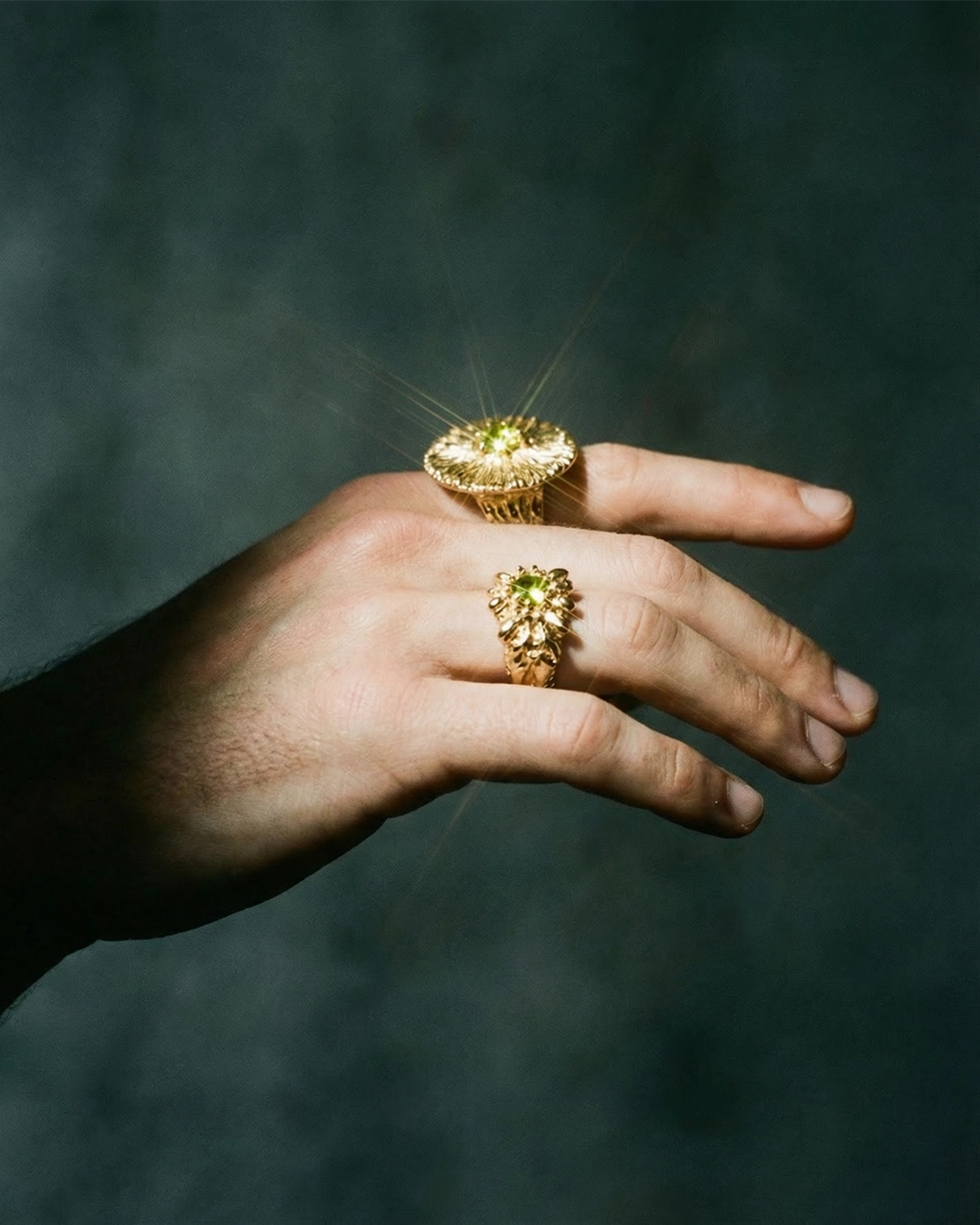
The ring was the only thing that caught the light. Everything else disappeared.
2 October 2025. Paris Fashion Week.
Flying Solo. La Galerie Bourbon. Paris before New York.
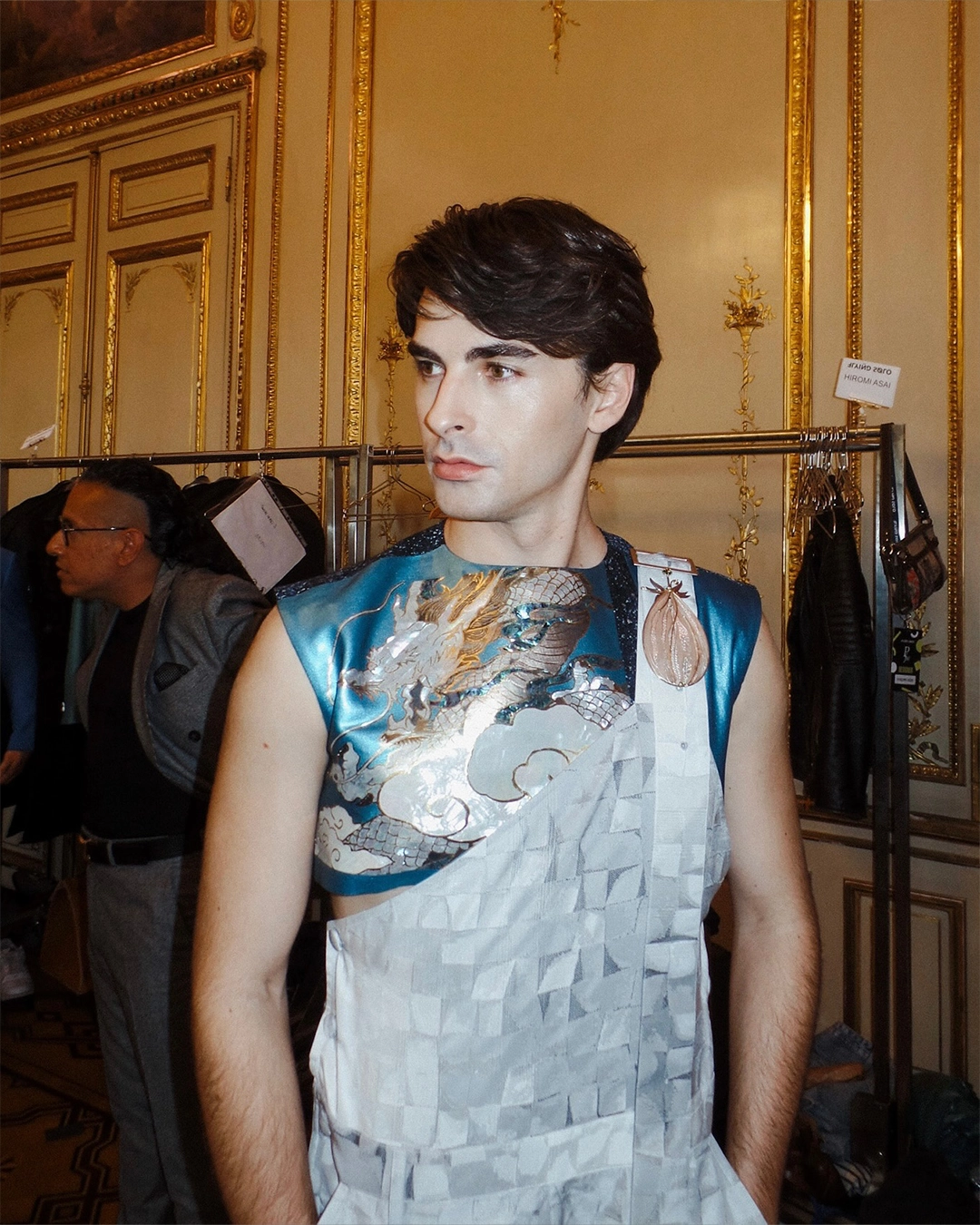
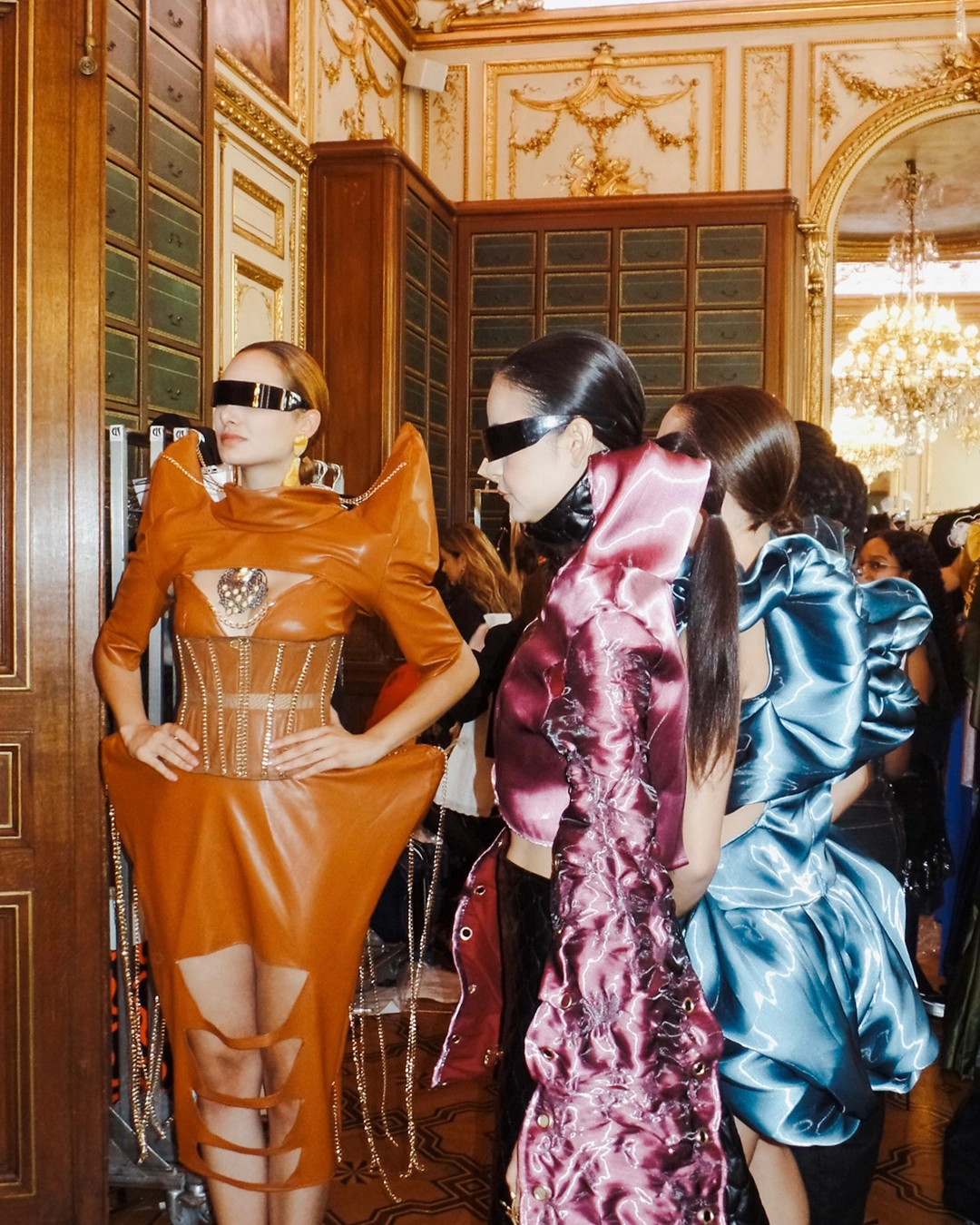
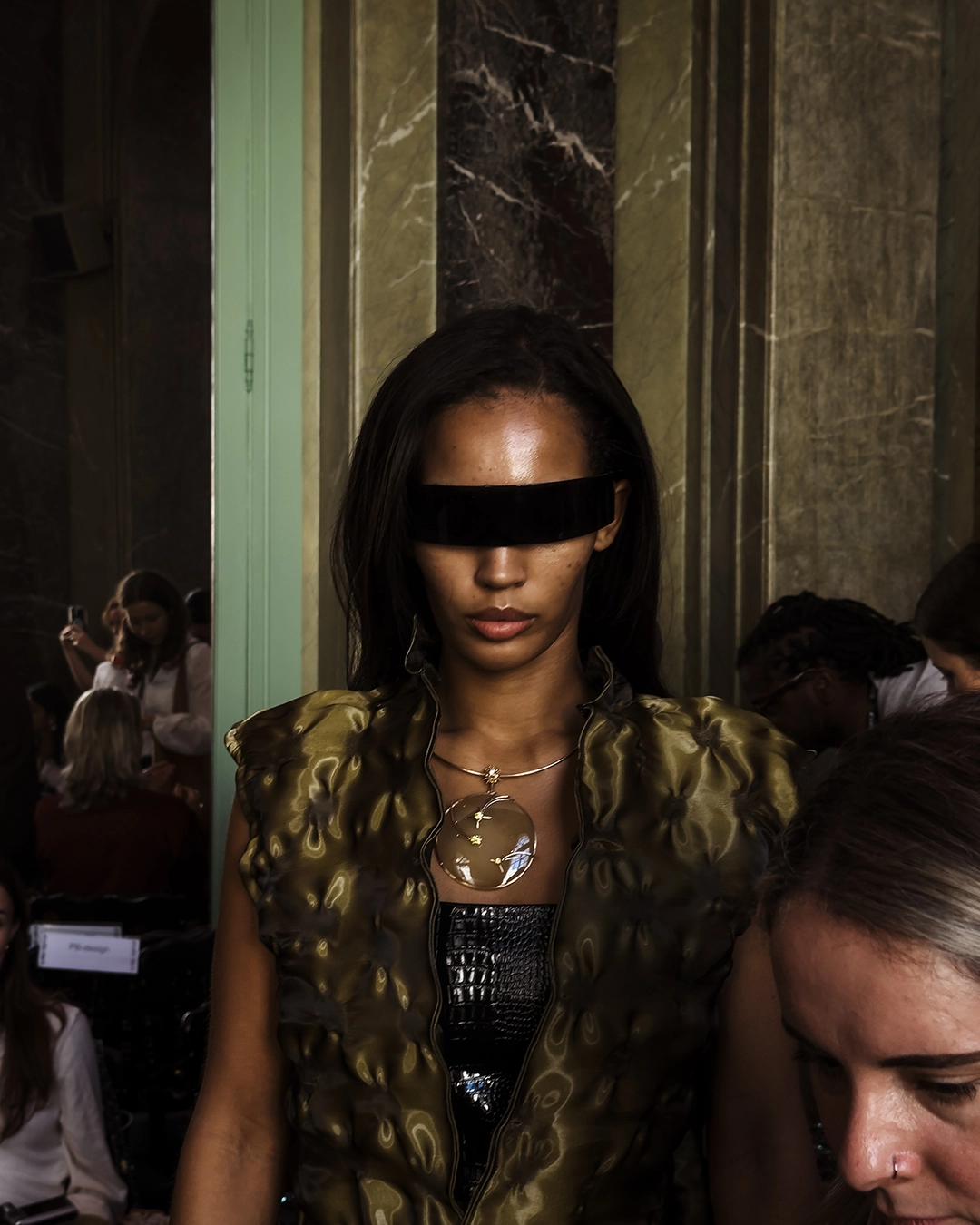
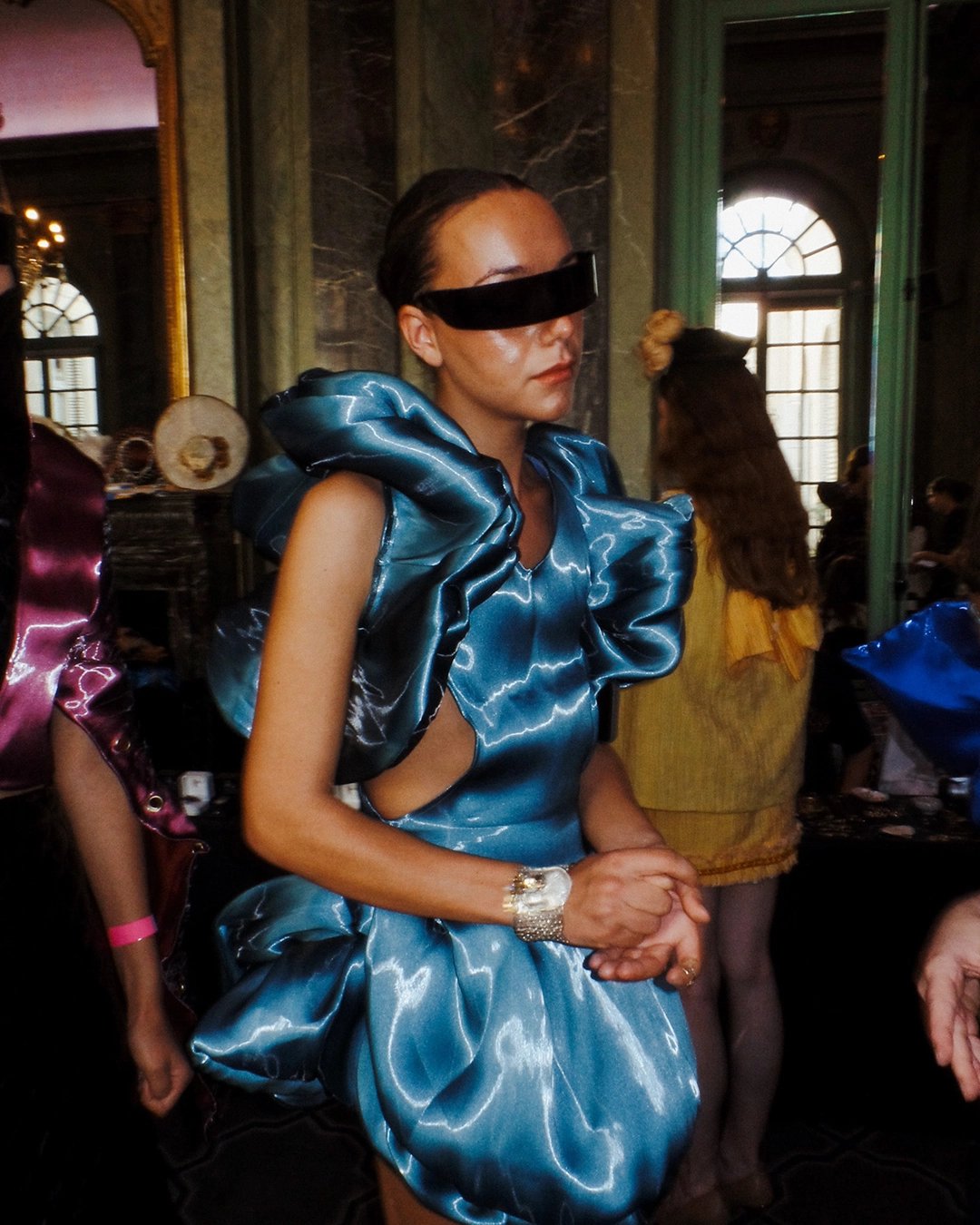
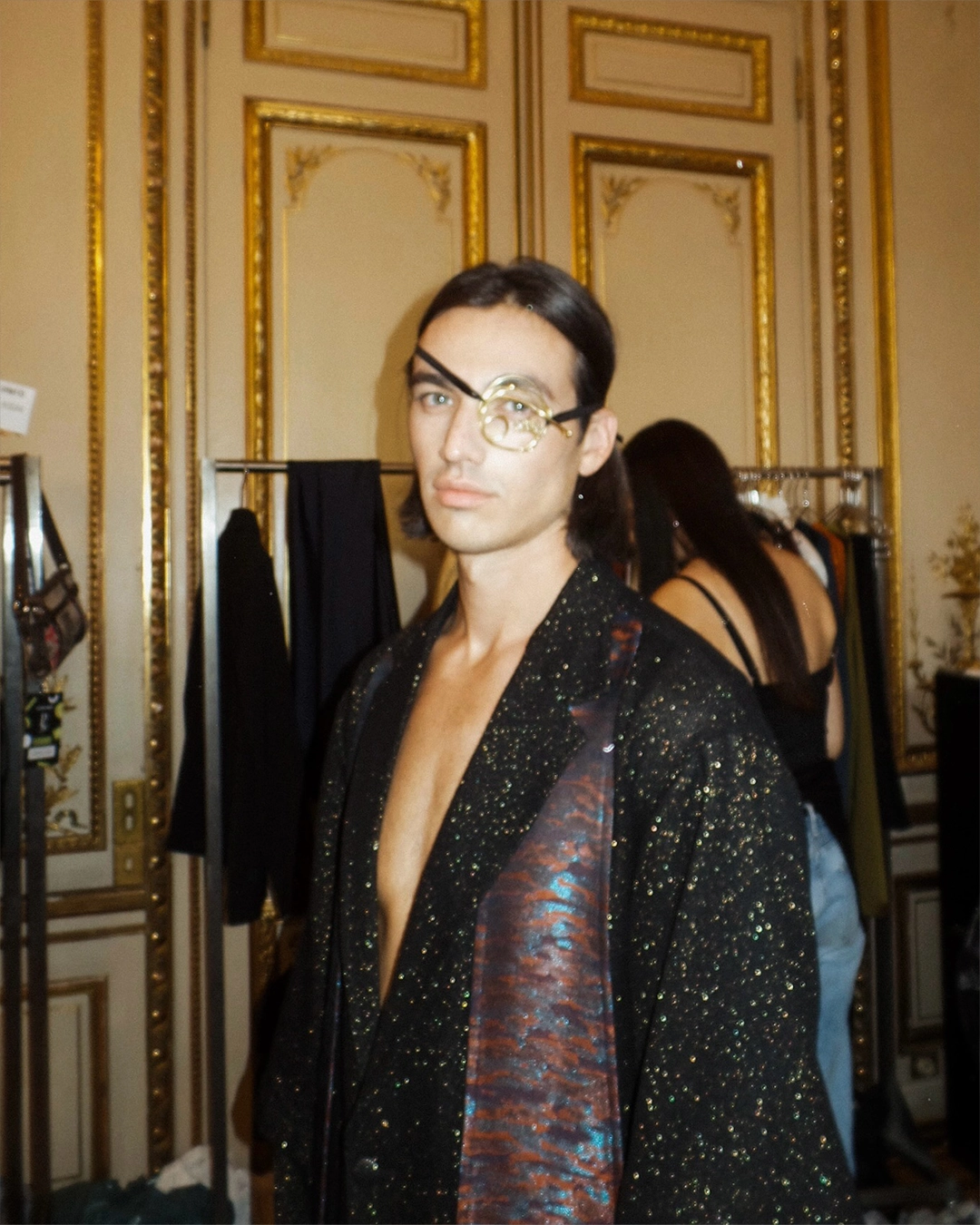
La Galerie Bourbon – over 70 independent designers from across the globe, under the same roof. Fashion Week Online. Óde among them. A Latvian jewelry brand built on artist collaboration, on a runway inside one of the city’s most elegant classical interiors.
2 April 2025. Riga.
The heavy lifting precedes the silence. Tension in the lapel. The sheer gravity of the garments. Isolation in the spotlight.
We do not explain the process. The architecture speaks for itself.
28 March 2025. Rostock.
Gold moves. Stone holds.
Made to catch light in rooms you’ll never forget.
18 February 2025. Milan. Milano Jewelry Week. Palazzo Bovara
The fifth edition of Milano Jewelry Week transformed Milan into a living gallery a citywide journey through showrooms, ateliers, and independent spaces where craftsmanship, innovation, and art intersected. Thejewellerytraveller
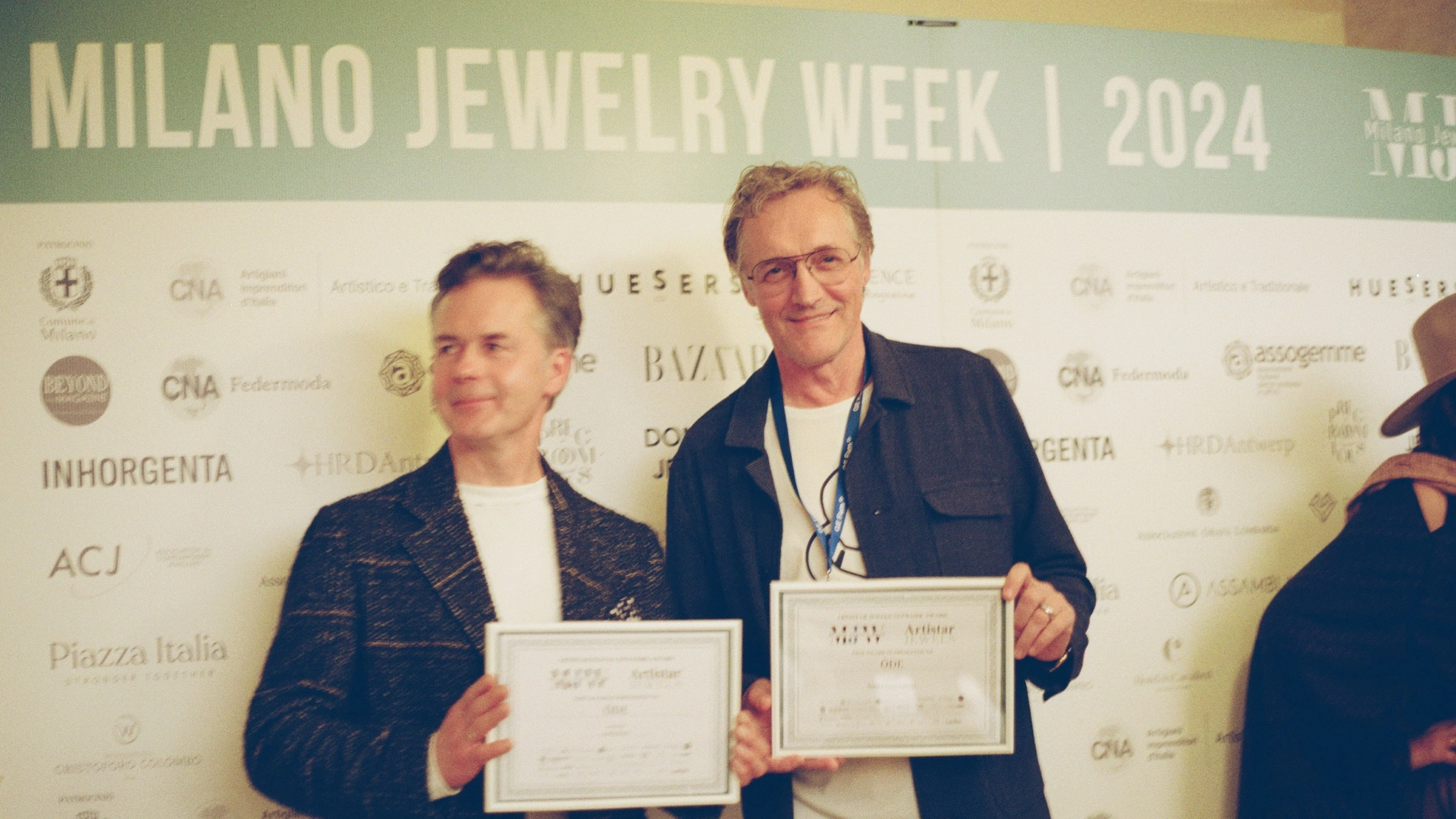
Óde was selected by four independent galleries from across Europe and the world. Not applied to. Selected. Galleri Sebastian Schildt. Objects Beautiful Gallery. Ruup & Form Gallery. Four curatorial voices, four different visions of what contemporary jewelry can be all pointing to the same work. Milan confirmed what we already knew. The work travels.
8 February 2025. Riga.
STUDIO.
Not every piece needs a room. Some just need a face willing to hold the weight.
20 January 2025. Kukši.
Rooms like this don’t exist anymore. Neither do nights like that.They were.
15 January 2025. Kukši.
The team
The pieces didn’t need to explain themselves in Paris. They just had to be there. They were.
13 January 2025. Kukši.
We shot Amber Road here – our upcoming collection.
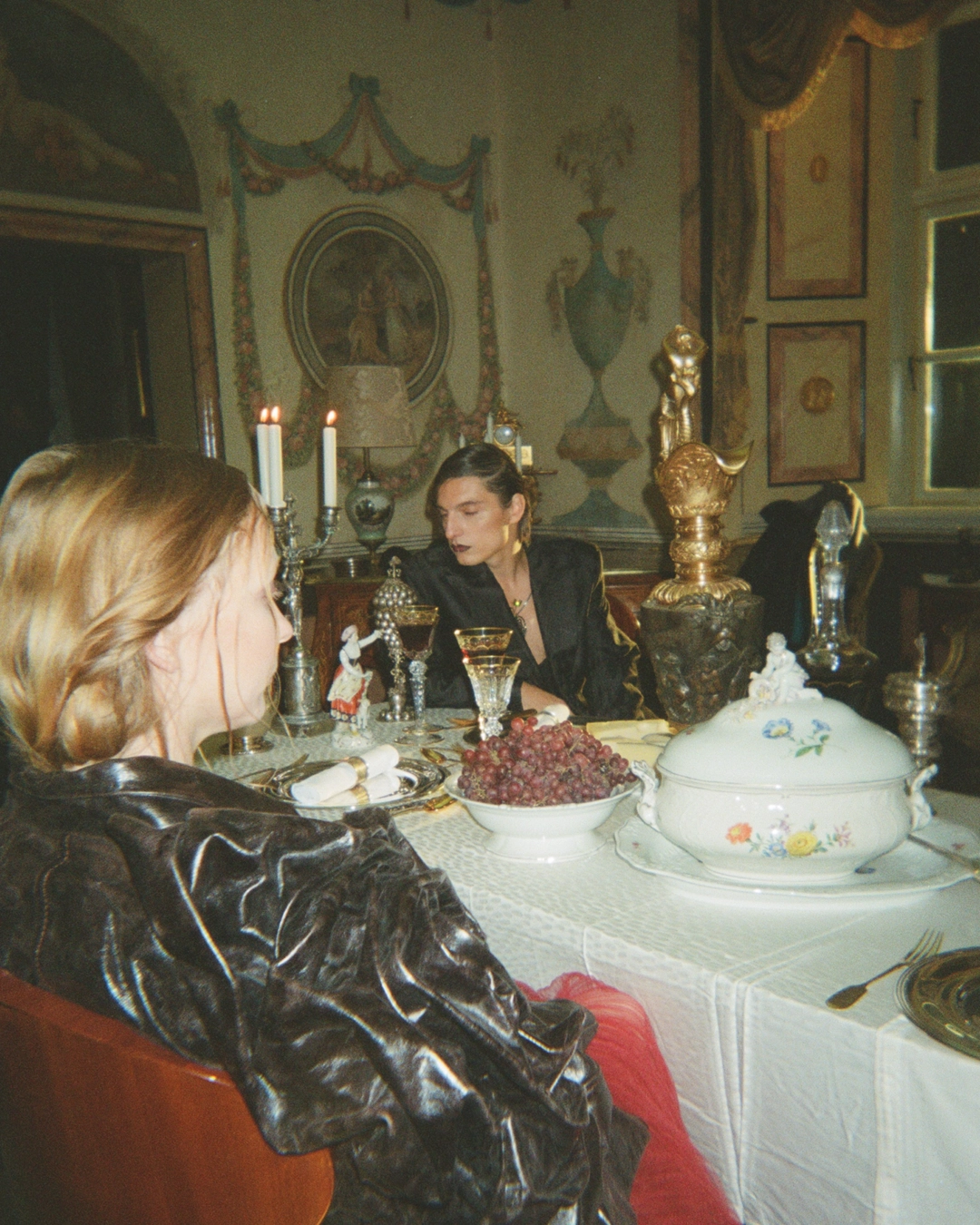
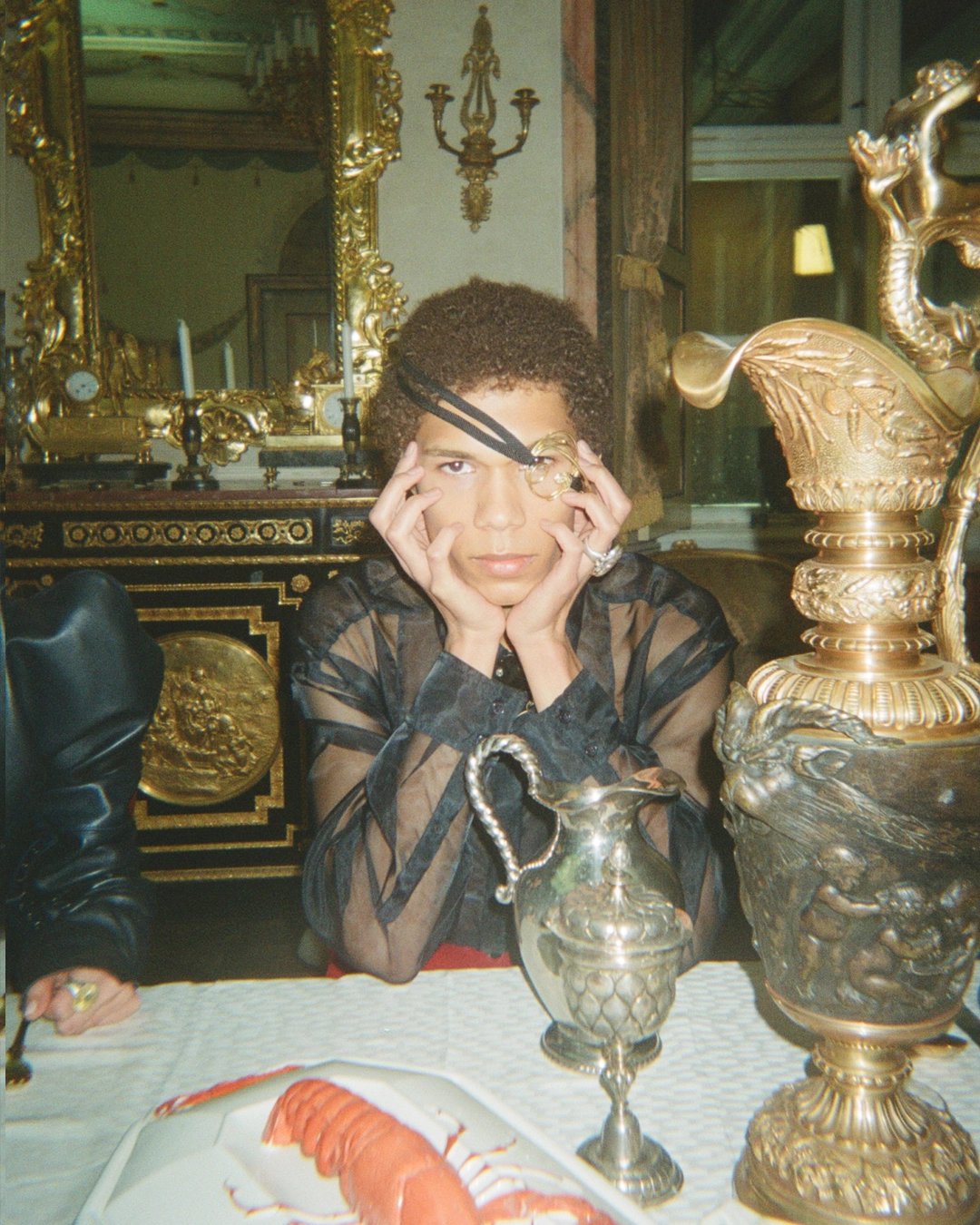
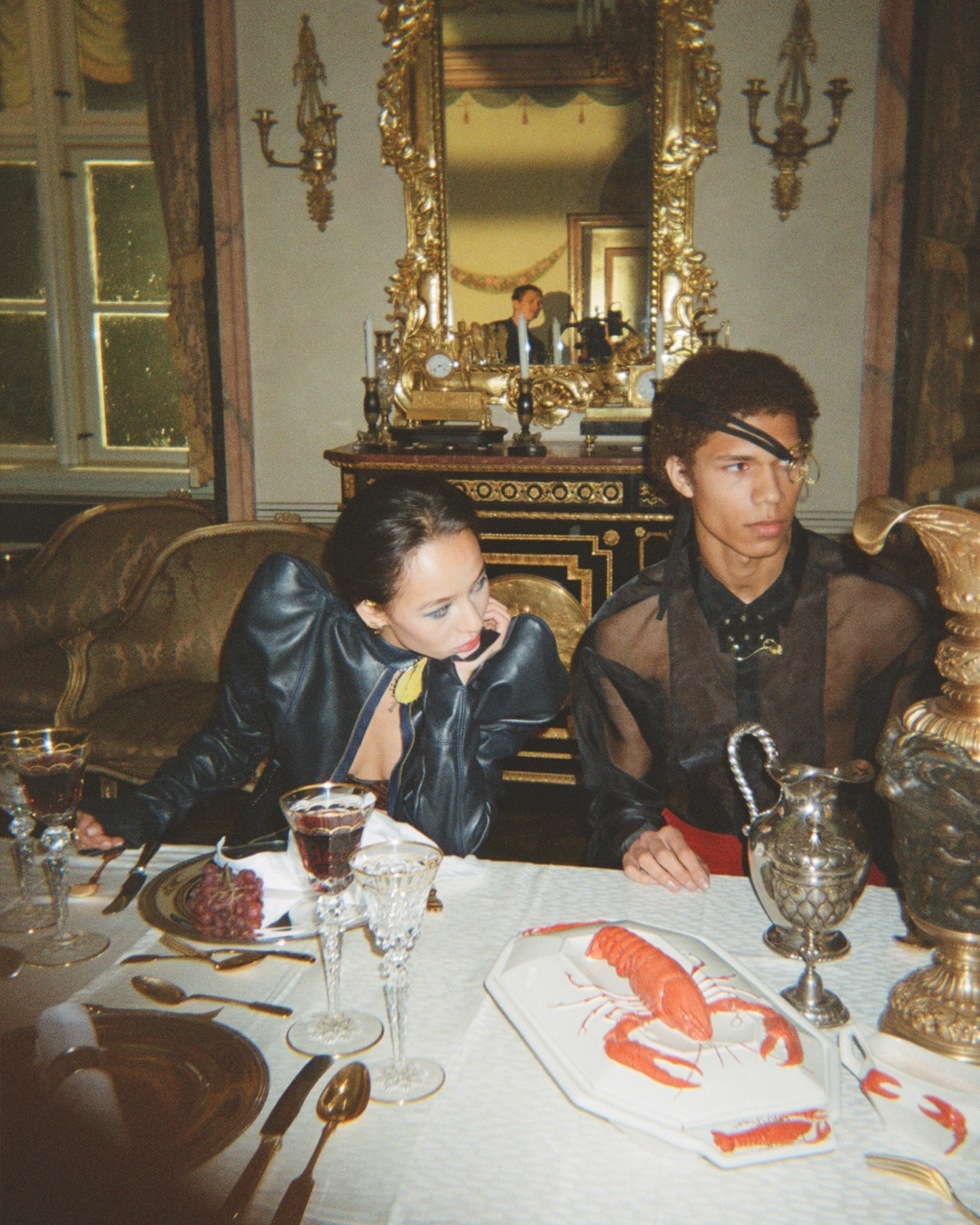
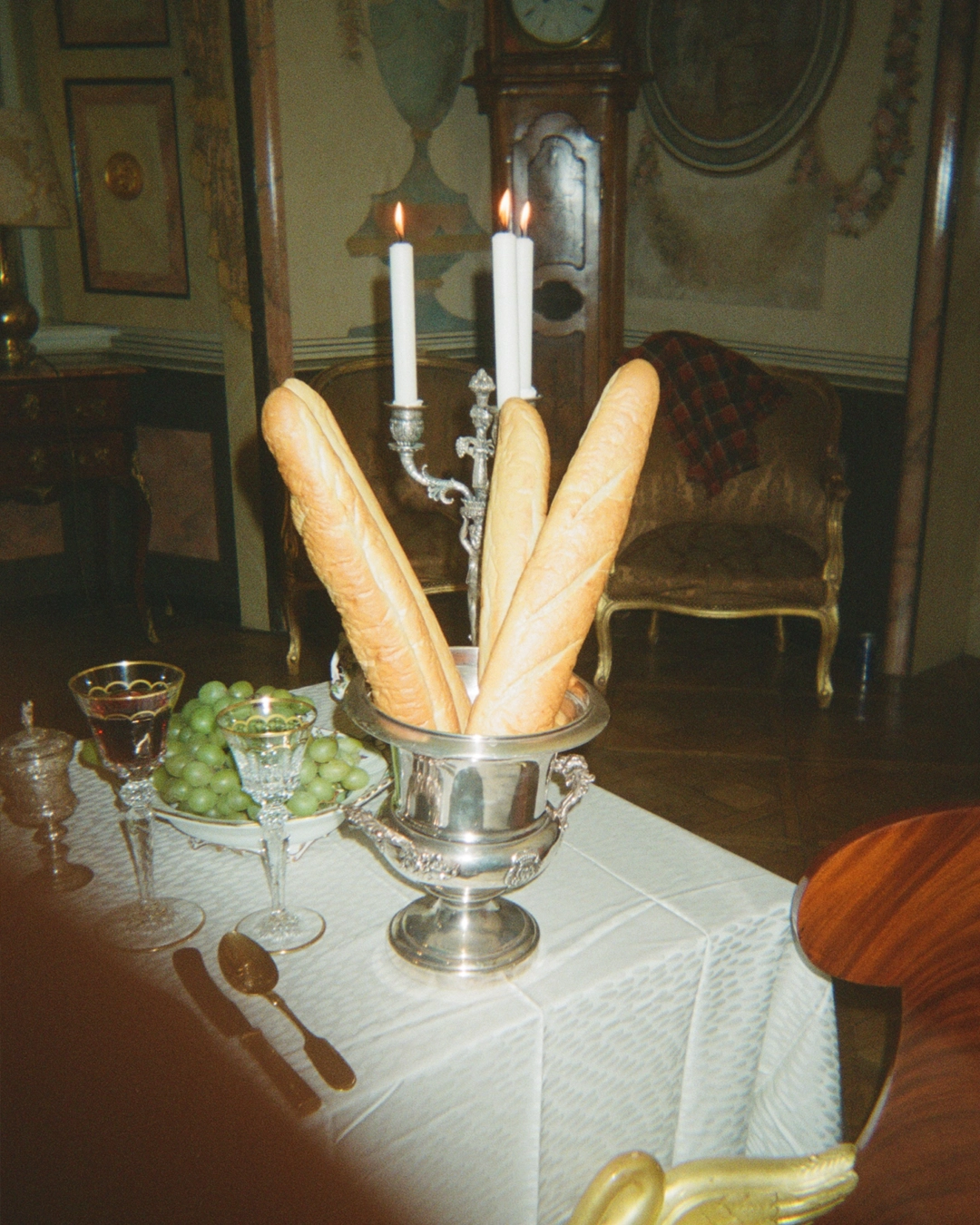
The kids at the table don’t perform it. They inhabit it – bored, beautiful, as if they were born into rooms like this. Lobster untouched. Candles burning. The pieces on their bodies are the only things that traveledto get here.
12 March 2024. Paris.
Jewelry doesn’t belong in a case. It belongs somewhere stranger than that.
Kocmoc. Season I. Right: Māris Šustiņš and Valdis Brože for Óde.
16 February 2024. Jūrmala.
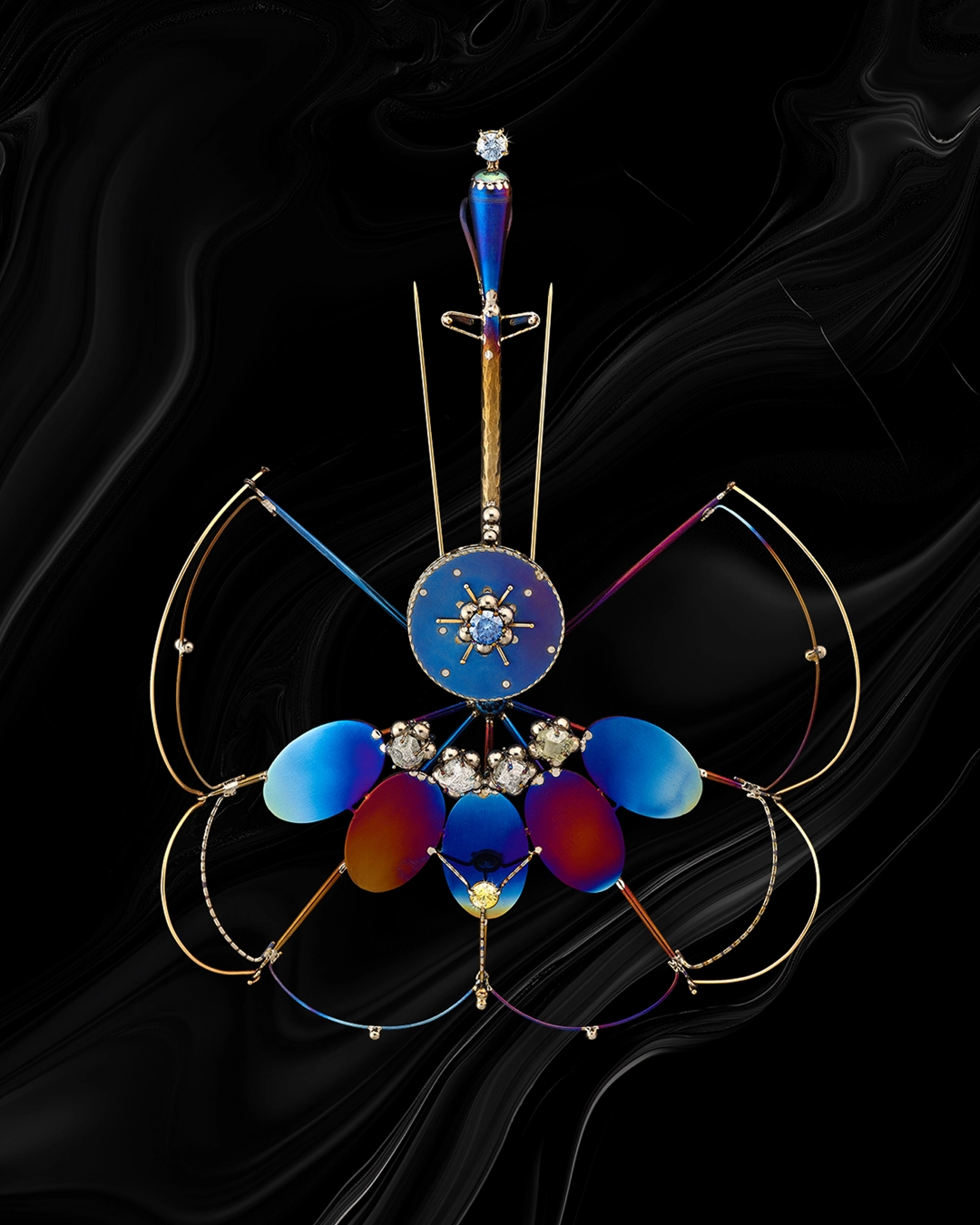
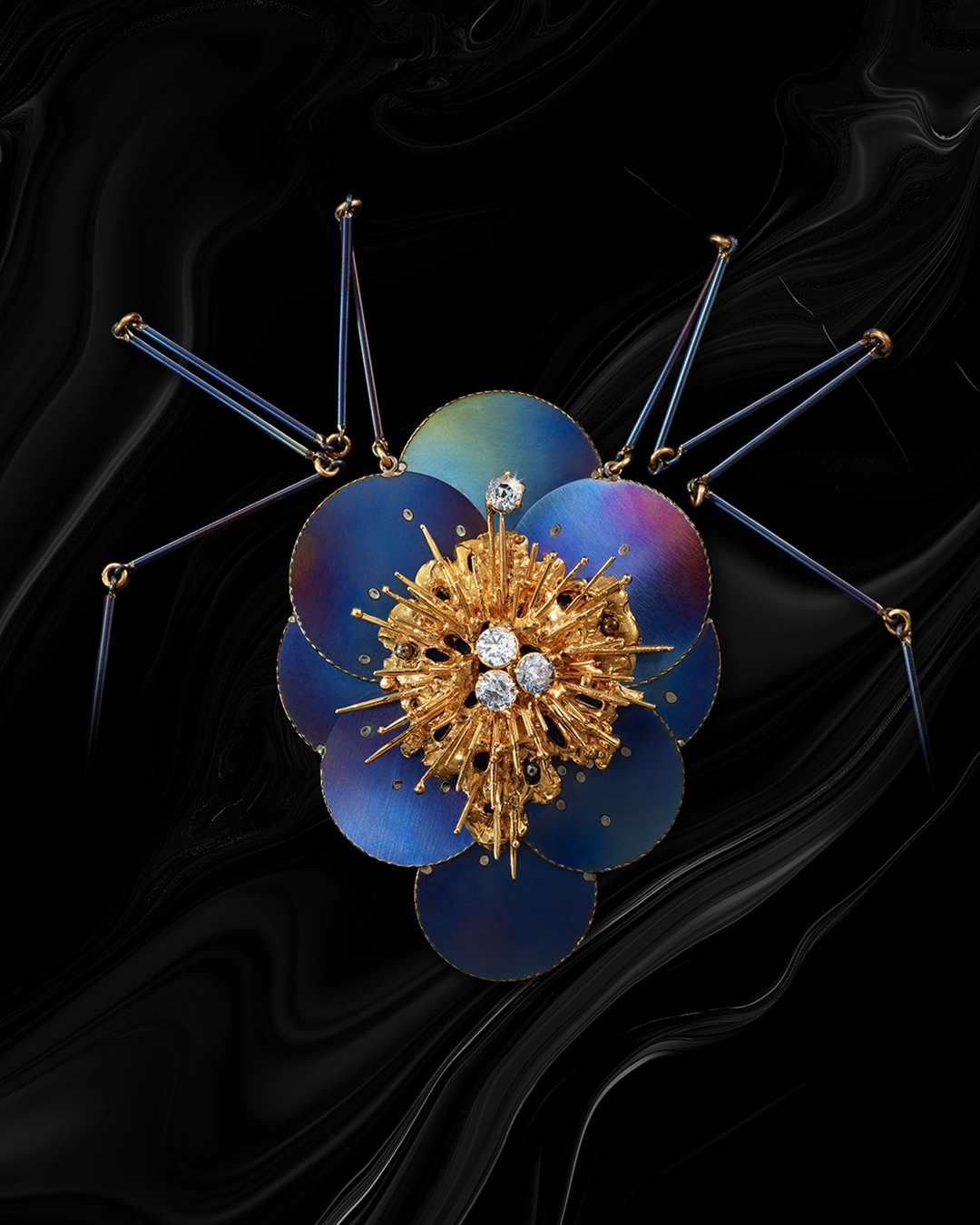
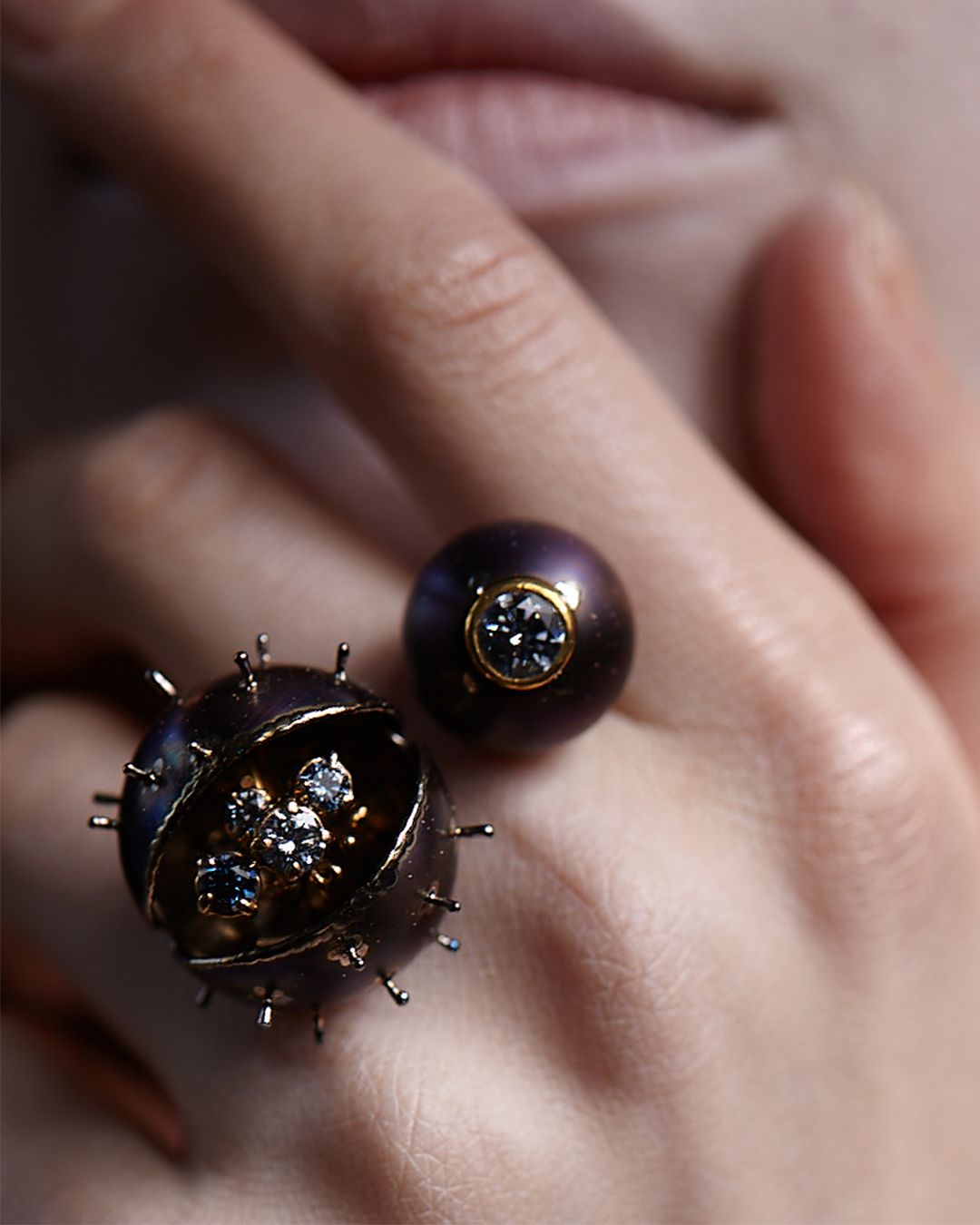
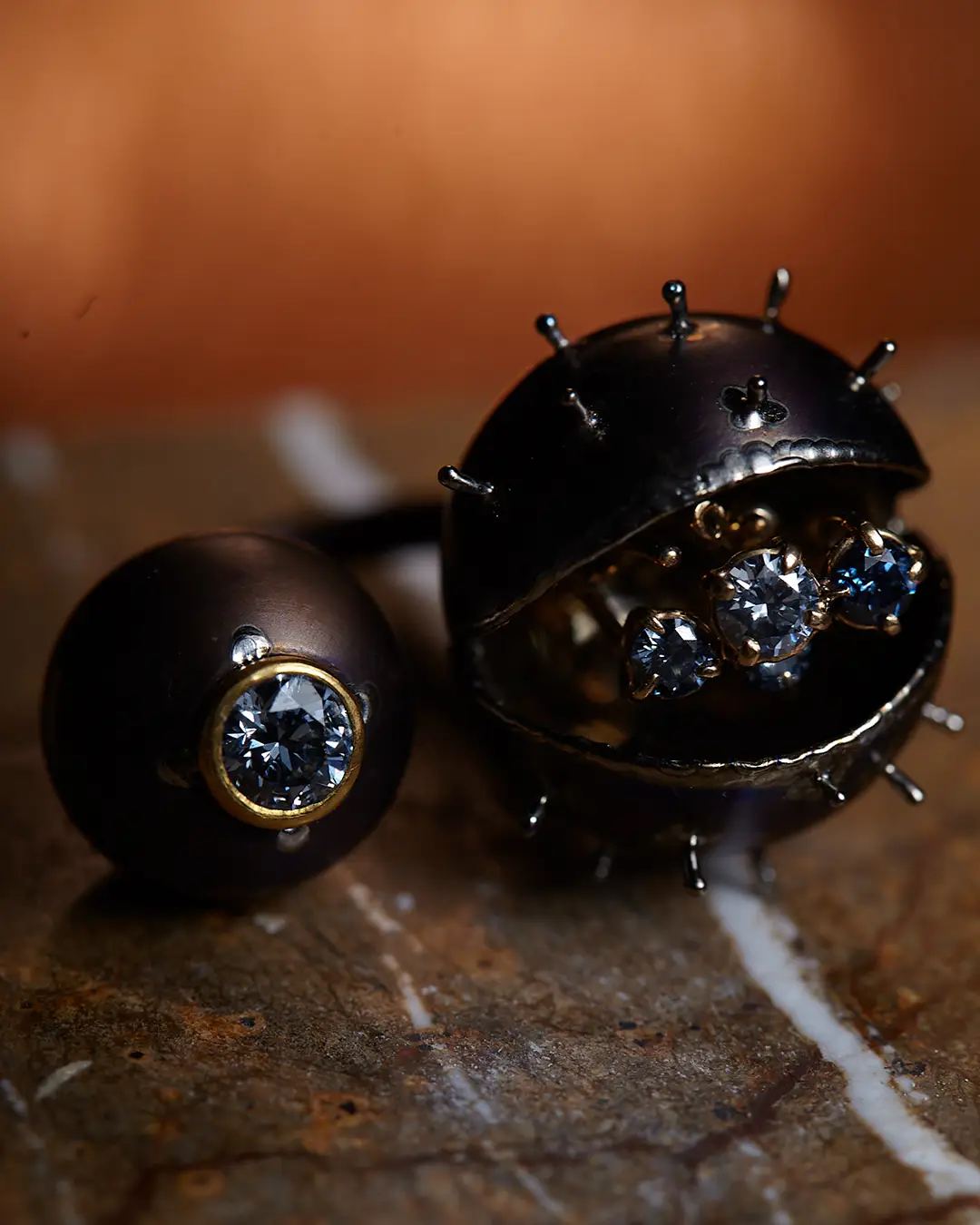
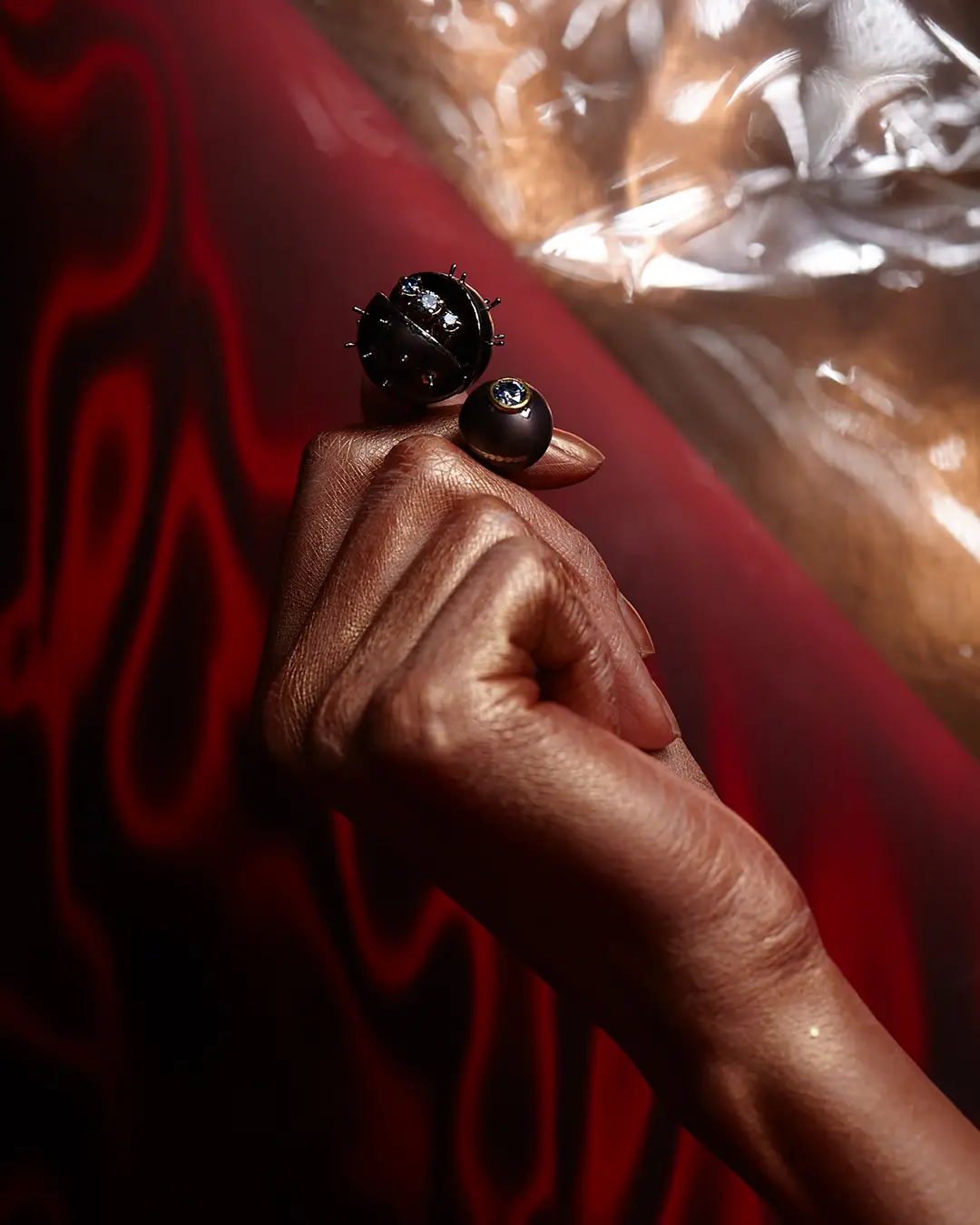
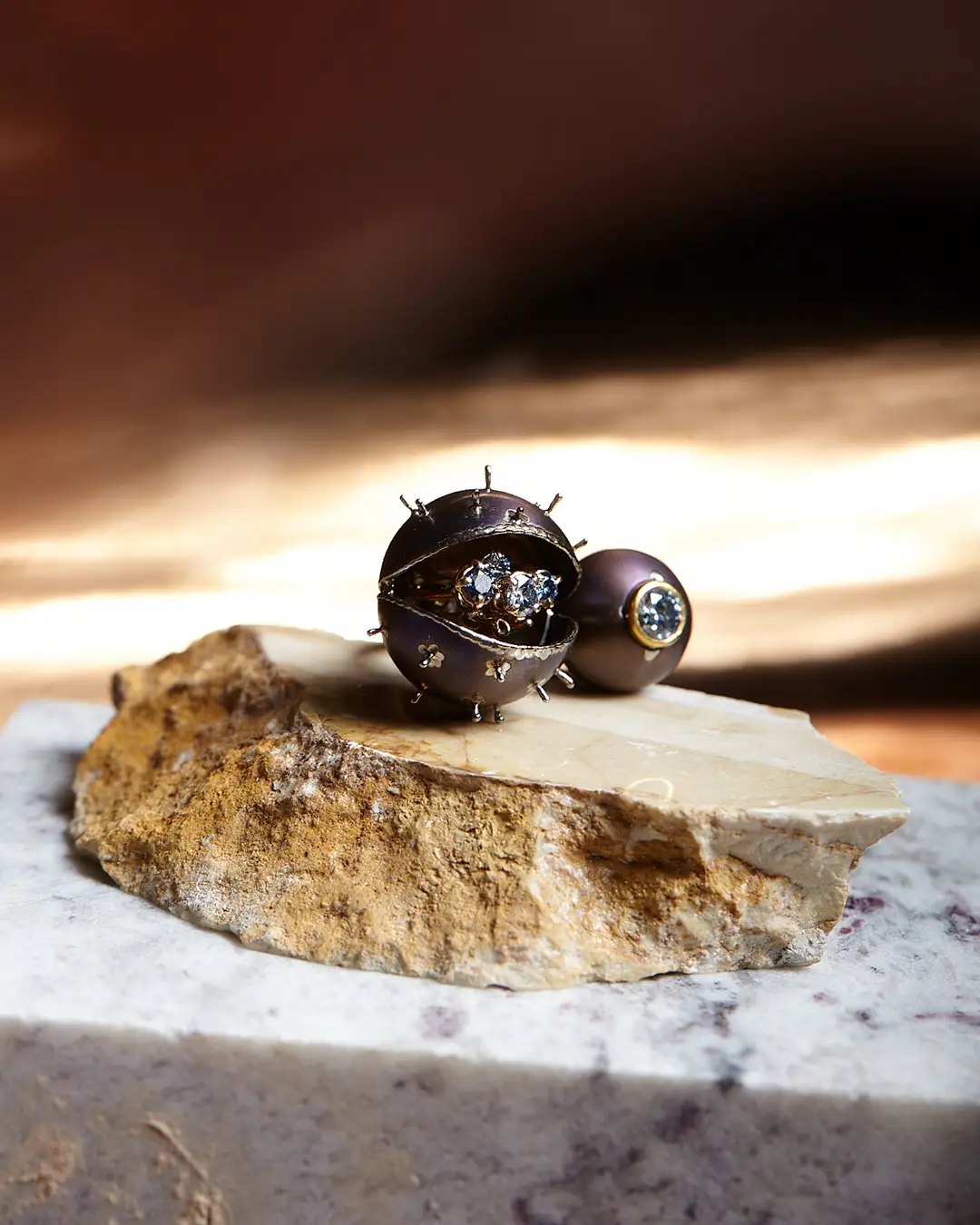
Iridescent titanium shifting between blue, violet, copper – orbiting gold. Each piece built like a small cosmos: a center of force, appendages reaching outward, diamonds at the points of tension. They don’t sit still on the eye. They move with the light.
Māris and Valdis didn’t make jewelry. They made specimens from somewhere else. Objects that feel discovered rather than designed. Kocmoc. The first collection. The proof of what Óde is for.
8 July 2019. Riga.
Māris Šustiņš doesn’t explain his work. He just talks until it makes sense.
This is one of those conversations.
08.07.2019. Riga.
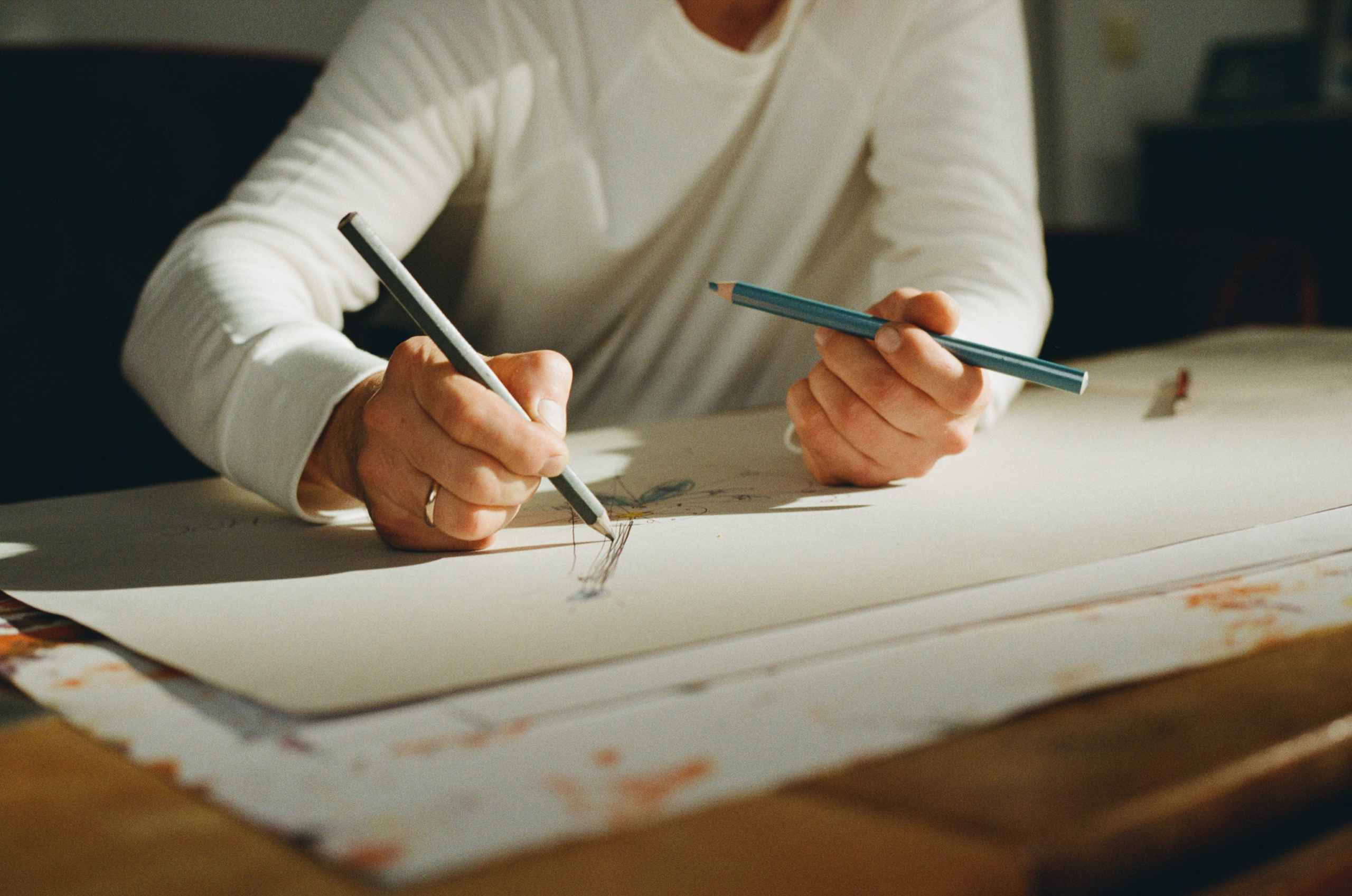
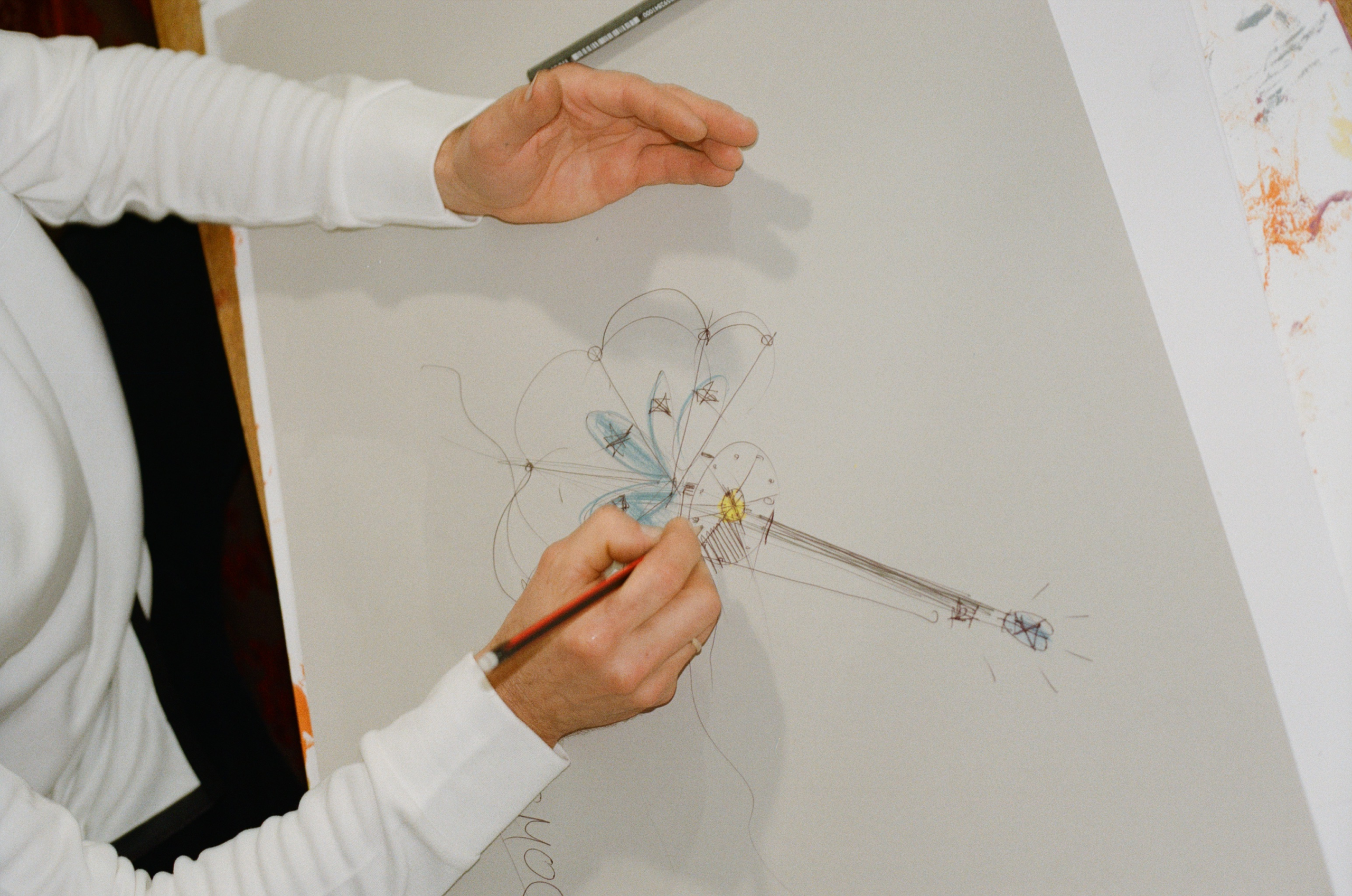
Māris at the table – pencil, compass, silence. The first marks of what will become Kocmoc. Two artists thinking through form together, before anything is cast or cut. The drawings look like star maps. Like something between science and myth.
This is where Óde begins. Not in a factory. Not in a brief. In a room, with an artist who takes his time. Kocmoc: 18-karat gold, eco diamonds debuts later that August.
2 March 2019. Brandenburg.
We bypassed the earth – extracting elemental carbon directly from the fallen chestnuts of a castle garden. Through violent alchemy, heat and pressure turned organic decay into high-clarity diamond.
Māris built the architecture as a living reliquary. A dark, hand-sculpted shell – Rostock craftsmanship mimicking the protective burr. It fractures only to exhale the brilliant gravity of a royal bloodline.